Worthless dreaming In a dying world That I already love So I can’t give it up yet.
Intro Written February 12th, 2021.
This is my third revision of this opening paragraph. On previous attempts I tried to make it sound professional, to acknowledge and somewhat handwave the events of 2020, and make a fun and inoffensive list of albums that might give somebody something to listen to and even brighten their day a little bit.
I tried, I really did.
But here’s the thing:
2020 was fucked.
There is very little I could say positive about the past year. In my initial writeup of this intro I almost played it off as “but hey, at least we got some good music out of it right?” but even that comes with a sweeping caveat that can’t be ignored: the death of live music and entertainment to the COVID-19 pandemic. No matter how much you try to kick that can down the road eventually it’s gonna come back and bite you, and that’s what happened in the writing of this list. There were multiple points in writing the final segments on the list in which I broke down into tears, finally being forced to put to words what I’d refused to acknowledge until this point. I took a month longer than I wanted to because I dreaded it, I couldn’t bring myself to face those final albums which are so intimately tied with the issues we’d all faced this past year.
And so I tried, initially, to keep it clean. I stayed professional, and made a standard “here are the albums and this is why I like ‘em” list. It felt good at first! But the longer I went on the more and more it started to feel like a lie. It’s hard to pinpoint the exact moment when it happened but there was a shift in mood along the way, and an acceptance of what 2020 really meant to me, not just what I wanted it to mean. I’ve kept all of the original text from my first rundown intact, both for the sake of integrity and because I believe it paints an incredibly vivid picture of the mindset that I’ve been in these past few months going through the writing process. This is easily my roughest work, and I have no intention of using it in any professional sense, but it is exactly as I feel it needs to be. This is my 2020 breakdown in 25 albums (including EPs.)
List writing began December 21st, 2020
25. Tricot – 真っ黒 (Makkuro)
Math Rock
If I could only list one thing that I think Japan does better than anywhere else in the world, it would be Math Rock. Tricot, with their energetic performances, hooky melodies, and misleading accessibility, are one of my personal favorite examples of this. With crisp and spacious drums, prominent bass, and the twinkling guitar we’ve come to expect, the band builds a collection of tracks that range from hard-hitting punk-y ragers to softer ballads, all with a hidden layer of technicality under its poppier sensibilities. The production is crisp and gives a great amount of space to the flawlessly performed instrumentation, but the real highlight here is the vocals. Ikkyu Nakajima has a way of captivating the listener with her soothing tones before erupting into frantic barking and high-energy singing tying the tracks together with some incredibly memorable hooks and harmonies. Even after ten years, Tricot proves that they have no intentions of slowing down with a fantastically captivating effort that keeps me coming back for more.
Favorite Tracks: 右脳左脳 | 秘蜜 | 真っ黒
24. Aesop Rock – Spirit World Field Guide
Abstract Hip Hop
Eleven albums and over twenty years into his career, it’s astonishing to me that Aesop Rock has managed to maintain a consistently quality catalog of records, and his first foray into the new decade is no exception. On Spirit World Field Guide Aesop’s iconic verbosity and unpredictable rhyming schemes are backed by some of his best instrumentals to date, fusing the crisp chiptune-esque synths of The Impossible Kid with some of the more psychedelic and bizarre elements of last year’s Malibu Ken to create some of his most interesting and evolving tracks yet. From the opening moments to the last, a constant sense of restlessness populates the tracks. Paranoia, determination, confusion, and aggression color the dense lyrics which are made more digestible by Aesop’s pronounced delivery and some incredible hooks that leave every track feeling distinct from the others. With hardly a single dud in the tracklist, I’m once again left in awe of the sheer consistency that Aesop Rock has managed to maintain after all this time.
Favorite Tracks: Gauze | Coveralls | Kodokushi
23. Deftones – Ohms
Alternative Metal
Despite my disappointment in 2016’s Gore, there has never been a time where I’ve doubted Deftones’ ability to craft fantastic alternative metal tracks, and with Ohms it really feels like they’ve hit their stride. With a greater focus on their heavier guitar riffs and Chino’s range of vocal stylings, and by fully embracing the melodic and shoegaze-y elements that helped them stand out from the crowd of 90s Alternative Metal, they’ve brought forward a project that not beautifully exemplifies why Deftones remains relevant to this day, and created a sound that is unique to them. From the dynamic and beautiful tones on ‘Pompeji’ to the balls-out heft and aggression of ‘This Link Is Dead,’ the band pulls off every sound they attempt here, and play to their strengths without ever becoming stagnant. There was never a doubt in my mind that Deftones would be able to pull off another great album, but I’m glad it turned out so unique.
Favorite Tracks: This Link Is Dead | Pompeji | Error
UBOA – The Flesh of the World
Darkwave
Hot off the release of her masterwork The Origin of My Depression, the album I crowned as my album of the year last year, Xandra is back with a new EP and a new sound to go with it. No longer consumed by seas of industrial noise and harrowing shrieks of emotional turmoil, Uboa’s sound has shifted to something more softly introspective and beautiful. With dozens of layers of synths, choral harmonies, and keys, we’re presented with a soundscape that truly lends a sense of epic scale and proportion to the monumental performances that Xandra delivers. The songwriting here is tighter, more confined than last time around, leading to a sense of forward motion and purpose in the tracklist, with some truly hair-raising climaxes. While not quite the viscerally distressing monolith of her best work, it holds a special place as a moment of growth in her career, and for Uboa as a project going forward. I can’t help but wonder whether or not this more melodic songwriting style will translate to a full album in the future, but as-is this is easily one of the best EPs I’ve heard all year.
Favorite Tracks: Inside/Outside | The Flesh of the World | God Unbounded
21. Loathe – I Let It In and It Took Everything
Metalcore, Alternative Metal
I had never heard of Loathe until this year, and honestly I still haven’t gotten around to checking out their debut record, but I honestly feel that this is one of the most impressive and fantastic metal records of the year. Not dissimilar to the ways that Deftones fused Alternative Metal with Shoegaze later in the year, Loathe fuses and contrasts the sheer ballistic energy of Alternative Metal with the distorted and warm sounds of shoegaze to craft one of the most impressively smooth listening experiences I’ve had with a metal record in a long while. Though never lacking in heavy and intense riffing and guitarwork, where the band truly shines here is in its melodic moments, where everything comes together as a beautiful soundscape with gorgeous vocals, driving instrumentals, and a splash of shoegaze distortion to seal the deal. When the album does get heavy, though, it’s practically unrivalled in its field this year. The warmth and breadth of the mix translates perfectly between sounds and leads to an all-encompassing sense of scale to everything being thrust forth. What might normally be seen as relatively standard hardcore riffs are made infinitely more special and fully solidifies the record and the band as one to look out for.
Favorite Tracks: Is It Really You? | Gored | I Let It in and It Took Everything…
It’s been about seven years since the Playstation 4’s launch in 2013, a console that, despite in retrospect not being that massive of a leap from the previous generation, managed to host some of the best and most technically impressive games ever made. Now in 2020 Sony is back with another box, the Playstation 5 and, while not quite being their biggest game-changer system in terms of features, it comes damn close with additions that promise to push gaming forward in a big way. Despite some caveats, the overall experience of using a Playstation 5 is crisp, streamlined, and above all fast.
A Necessary Jump Forward
From a hardware perspective, the leap forward is obvious. This is thanks to a custom 825GB SSD, built from the ground up with the console’s specs in mind to maximise its potential and its usable power. Able to process and load upwards of 8 gigabytes per second, in contrast with the PS4’s 50-100 megabytes, load times are essentially a non-factor going forward, at least for exclusive titles. This applies not only to games, but to the firmware and UI itself. I tested a few games from cold boot (console turned all the way off) to in game running around and found that Spider-Man: Miles Morales and Demon’s Souls both averaged just under 50 seconds, while Astro’s Playroom came it at an incredible 35 seconds. Comparing this to games like Bloodborne and the previous Spider-Man game on PS4, it’s night and day.
Now, you may have noticed a pretty big caveat in the above paragraph. 825GB? That’s it? Unfortunately yes, the PS5’s internal storage is just shy of a single Terabyte, with no currently available storage upgrade options. What’s worse is that only 667.2GBs are usable, and a whopping 80 of those are taken up by a mysterious “Other” section which seems to be tied to backwards compatibility, as when I moved all my PS4 games off the console onto an external drive it practically disappeared. What this means is that some pretty massive concessions need to be made by any user with a large or growing collection of games for the platform. As file sizes increase, this will only get worse and worse, with games like Call of Duty Black Ops: Cold War already taking up over 200 gigabytes of space, functionally a third of the total storage. PS5 games are also not capable of being played off an external drive, though backwards compatible games are. Strangely though, you can’t even store them there temporarily to download another game to play, you must uninstall it completely to make room which means hard decisions may be a regular occurrence for some users. While Sony has promised to make upgrade options available eventually, the low storage capacity at launch has real consequences on the overall user experience.
Aside from the storage speed and capacity, there’s not much to gawk at when it comes to the PS5’s Hardware. It’s boasting a Custom RDNA 2 graphics processor capable of not only up to 8k output, but raytracing at adaptive 4k resolution in certain games. It’s a technical leap miles ahead of that between the PS3 and PS4, and makes a massive difference when it comes to futureproofing the system. 16 Gigabytes of GDDR6 RAM gives developers far more leeway with their development, and combined with the aforementioned SSD makes far more dense and detailed environments possible in games going forward. All of this with the added perk of being completely silent when in use, unlike the jet engine that was the PS4. It’s able to do this because of its massive size, which means a sacrifice in convenience, but I find it to be totally worth it. Ultimately it will come down to how developers utilize and become acquainted with the hardware to determine whether or not the jump is enough to sustain a whole generation, but given some of the incredible experiences the PS4 managed to squeeze out of its hardware this past year alone, I have high hopes.
Approaching the Dream
One of the features that has kept the Xbox line of consoles in my mind this past generation and moving forward has been their dedication to backwards compatibility. On this year’s Xbox Series S/X Microsoft is striving to make games from all the way back to their first system playable on newer systems with notable enhancements such as 4K upscaled resolution and better framerates. When Sony announced the PlayStation 5 I couldn’t help but be hopeful that they’d do the same, and with their marketing before launch seeming to focus on the “Legacy of the PlayStation” I was all but certain that was what they’d do. I did get my wish in the end, but only partly. The PS5 is capable of playing practically every single released game for the PS4 natively via either disc or download. The store from last gen is carried over with almost 3,000 available games, all of which will play on the system with only about a dozen exceptions.
It’s no secret that the PS4 would struggle at times to maintain steady framerates, especially in later multiplat games like Battlefield V and Far Cry: New Dawn. While exclusives designed for the platform where far less likely to run into such issues, even some of those were restricted by the aging hardware, most notable amongst them being the occasionally frame-y but gorgeous Ghost of Tsushima and the technical nightmare of Days Gone. On the PS5 those issues are seemingly remedied entirely by the sheer power of the hardware, with most games running flawlessly without a single frame drop. Games with PS4 Pro enhancements run flawlessly in Fidelity mode, often locked at 60fps with rare exception, that exception being games with framerate caps. Many developers would lock their PS4 games to 30fps to preserve energy and avoid frame drops in more intensive moments, a move that makes sense but has unfortunate consequences for the PS5, where it can be jarring to return to a lower framerate after being accustomed to the practically solid 60 that its games run at. The most notable and disappointing example for me is Bloodborne, my self-proclaimed “favorite game of all time” and one I was ecstatic to play at a smooth 60fps, only to find that it was locked at 30 because of the game’s physics engine. Some more recent games, including the aforementioned Ghost of Tsushima and Days Gone, have received patches in the wake of the PS5’s launch, making them some of the best games to play on your console once you’re done with the new lineup. They run smooth and solid at 60fps and even have some minor graphical enhancements to sweeten the deal.
Ultimately it’d be a lie if I said I was disappointed with the execution of backwards compatibility on the PS5, but I also can’t help but see the missed opportunity it poses. The idea of a single place to play all of my games across five whole generations is just too good to pass up, not to mention a way to finally play PS2 games in HD effectively. If they had gone all in with the feature I feel that it would have been an unbeatable deal that nobody should pass up, but with where the system is now it works more as a nice timekiller while we wait for more titles to release.
Only Half the Story
These days when you buy a new console, there’s an expectation that there will be a unique experience outside of just playing video games. The PlayStation 5 plays it safe in this regard, offering a cleaner and faster version of the last console’s UI and UX with a few notable additions. The homepage is a more stylish and crisp iteration of the last, with smaller and smoother icons taking up less space on screen, leaving the bottom 2/3rds of the screen available for game info and a stylish piece of art. Themes are gone this time around, but it’s hard to imagine how they’d pull that off given the fact that games now take up the whole screen and play their own music when scrolled over. All the way to the left of the Home Screen is the store, which is mindblowingly quick and easy to navigate relative to the PS4. There’s no loading screen, no separate executable, it’s a menu like anything else, laid out conveniently for your purchasing pleasure. It seems obvious that they’d make the money-spending part of the console the easiest to use, but it’s still a welcome change.
For subscribers to PS+, a service which previously allowed you to play online multiplayer games and receive a couple select games monthly, there is a new tab with a new feature unique to the PS5, that being a list of twenty (at time of writing) of the bigger PS4 game available to play at any time for subscribers. Similarly to PS+ monthly games you only have access to them for the time you are subscribed to the service, but with excellent games like Bloodborne, God of War, Persona 5, and Monster Hunter: World included it’s hard for me to complain.
While not technically a new feature, the PS5’s in-game overlay is far more feature-rich than its precursor, and is now an integral part of the console’s experience. The overlay is split into two segments: the customizable quick action bar and the dynamic cards system. On the quick action bar you can access the home menu, notifications, accessories, and power settings, as well as optional accessibility and streaming settings. New to the console are a game switcher which allows you to hotswap games on the fly, and the Game Base which is essentially the social hub, allowing you to start group chats, send invites, and call friends. A little more interesting is the cards system, which acts as a progress tracker as well as a way to navigate your game. It shows trophies you’re close to obtaining, with statistics and info about what you need to do to complete them, as well as various possible activities which can be immediately warped to by simply clicking the card. The system is also capable of tracking your current objective and progress and, with a PS+ membership, provide you curated video hints and tips to make some trickier puzzles or collectibles easier to complete. It won’t be a gamechanger for everyone, but it’s a great option for users who want to get to the meat of the game faster or who don’t want to make vast traversals across the enormous landmasses that make up most games these days, only to find a single collectible or side mission. All of this is optional, of course, and is up to the developers’ discretion, but if nothing else it’s an interesting example of how the hardware can be used in interesting ways.
Putting the Player in Control
We’ve come to my favorite aspect of the whole system, and the one I was most shocked by: the DualSense controller. At a glance it may look like a simple fusion between the DualShock 4 and the Xbox One controller, and in hand it could certainly feel like that, but a slew of new and impressive features differentiate it enough to fully warrant both the change of name and slightly inflated price tag.
In terms of what you’d expect from a modern game controller, everything it there. The shape and feel is more comfortable without moving any of the buttons from where you expect them to be. The battery life is solid, generally lasting me a normal day of playtime without ever running out of charge. The thumbsticks grip well, and the buttons are responsive, if occasionally mushy. The controller itself feels solid and sturdy, far heavier than previous controllers in the DualShock line. None of these things are what make the controller shine, though. The real magic lies in the haptic feedback, the triggers, and how the two work together with each other and with the internal speaker to enhance the players immersion in some truly incredible ways.
Remember when the Switch was first being shown off and they made a big deal out of “HD Rumble,” only to have a single-digit number of games use it properly? The DualSense seems to be doing the best they can to circumvent that by really going all in on the feature, offering a level of fidelity that’s hard to describe without using tactile adjectives like grainy, metallic, or hollow. In Astro’s Playroom, the pack-in game which acts as a showcase of the DualSense’s capabilities, the controller responds faintly to every step you take, making slight but noticeable alterations to the texture as you walk over different surfaces. Walking through a sandstorm will cause the controller to shake in ways that feel precisely as if it’s being hit with individual grains of sand, and walking through the rain will make it feel as though individual raindrops are falling on different areas on the controller. It’s a difficult feature to explain but believe me when I say that it’s truly a gamechanger for most of the games that use it, and it makes playing games that don’t use the feature feel empty.
The other most important element is the triggers. If you’ve ever used a Nintendo GameCube controller you’ll already have a decent frame of reference for what this thing is doing. On that controller the triggers were analog, with a button at the end that would click in and be a separate input. The DualSense controller is able to create those “buttons” anywhere in the trigger’s depth at any time, in interaction with the software. This allows for something like the rock-climbing minigame in Astro’s Playroom, where grabbing onto rocks has you breaking past a thin “barrier” in the trigger, but grabbing onto cracked rocks requires a lighter touch, so as not to grab too hard and break them. Another example is drawing a bowstring, where the further you pull the harder it gets to hold the trigger down.
As a whole, the controller combines what made the DualShock 4 so reliable with some truly unique new features to create a controller that has me questioning what the Xbox Series will do going forward, and has me anticipating their interpretation of these ideas in their seemingly inevitable second controller. It’s a major selling point for the system, and something that unfortunately you kind of have to try to understand.
A Question of Value
Ultimately, I love my PS5. I think it’s an absolutely incredible system that pushes the boundaries for console hardware in some very exciting ways. For me, it was absolutely worth the $500 price point, and I can see it lasting me years with no issue. Unfortunately, it’s more apparent than ever that purchasing a $500 piece of hardware isn’t something that most people will be able to justify. In a time where income could disappear at the drop of a hat, if it hasn’t already, I struggle to recommend the console to anyone but the most financially secure or the most hardcore of players. When I purchased my console on launch day I was in a significantly more financially secure spot than I am now, and if it weren’t for the fact that I don’t yet have bills or rent to pay, I would probably regret my purchase far more. Ultimately your decision on purchasing the console comes down to what having a new console on release means to you. While the launch games are incredibly good, I can’t help but feel that they’re such a known quantity that it’s hard to justify purchasing a new console just for them, especially when most of them are also available on the PS4.
Overall, while I consider the PS5 to be a stellar piece of hardware, it’s not an essential one. The features are incredibly cool and at times game-changing, but it will likely be a few years before we start to truly see the in-game impact of them. To me, the PS5 is absolutely worth the price of admission, but it ultimately comes down to what you consider to be valuable in your life, now more than ever.
When I first heard that All Thoughts Fly, the latest record by composer and singer Anna von Hausswolff would be entirely instrumental, I’d be lying if I said I wasn’t disappointed. Part of what had made her so interesting in the past was the contrast and collusion between the lush instrumentals she crafted and her clean and vivid vocals. Even more confusing to me was the fact that this record is composed, performed, and recorded entirely on a single pipe organ, an instrument she’d used in the past mostly to back and bolster up the leading instrumental.
All Thoughts Fly is not like Hausswolff’s previous records. Where they were far more structured and written, fitting neatly into the definition of “song,” this record feels more like a group of explorations through long-winded but singular ideas stretched out into a single piece that makes up the album. While tracks like Dolore di Orsini and the closer, Outside the Gate (for Bruna) feel more composed and performed than the twelve-minute title track, for example, each track maintains a very loose sense that lends to the feeling that it could have been improvised, at least to an extent.
I cannot help but assume that this feeling is intentional, as the loose and almost meandering structure of the tracks gives them a far more palpable sense of both loss and hope throughout. As the track Sacro Bosco begins we’re greeted by the crushing pounding of bass that would sound right at home in a horror soundtrack. As the track progresses however, it begins to loosen into a less structured and more free composition, with the low drone being overshadowed by glistening highs that fly through the air like windchimes. On Persefone there is only one progression throughout the entire seven-minute runtime, but this drone is made far more approachable and given new meaning by layers upon layers being added one by one. There’s an incredible sense of melancholy and sorrow in these chords and while there are no words, there’s a lot to be extracted from both the name of the piece and the tone it’s encompassed by.
Admittedly, I know very little about the pipe organ and its mechanics, both in how it is played and the sounds it can produce. The descriptions I’ve used for the sounds have and will be based entirely on what they sound like to me, a somewhat uninvolved listener. With that said, it’s hard for me to imagine some of these tones coming solely from the instrument I used to hear fill my childhood church hall. The reverberating drilling noise and repeated clicking on Entering come to mind as something I have to assume was recorded with some kind of reverb effect, but is nonetheless incredibly effective as a dreamlike revisit of the first track’s ideas. The aforementioned bass tones on Sacro Bosco are incredibly jarring and moody, and while I’m sure the organ is capable of producing notes that low, I’m curious about the specifics of this production as it almost feels muted in comparison to the rest of the instrumentation.
The few issues I have with the record mostly play as a counter to their strengths, particularly in how the tracks drone on. While I’ve already cited Persefone as an example of this drone done to perfection, I can’t help but find that the trance-like state provided by the title track isn’t strong enough to hold me for the whole twelve-minute runtime, and while I do find myself reinvigorated by the addition of bass at the 8-minute mark, the structureless nature of the track makes it difficult to latch onto anything, leaving me wondering if there’s a way the track could have been more memorable outside of a few key moments.
At the end of the day I’m happy to admit that I was wrong to be skeptical of Anna von Hausswolff’s ability to craft powerful pieces with just a single instrument, and while I wish at times that I’d been given something more tangible to hold on to, the emotional resonance of All Thoughts Fly is potent enough to keep me on my toes and awaiting whatever comes next.
Favorite Tracks: Persefone, Sacro Bosco, Outside the Gate (for Bruna)
This is part of a semi-daily series of reviews as a project throughout the month of November.
For the third year in a row, Southern Hip Hop powerhouse Denzel Curry has dropped a record, this time teaming up with renowned rap producer Kenny Beats, known for his beats on tracks by JPEGMAFIA and Zack Fox. In just seventeen minutes they pull together one of the most enjoyable and airtight records of either of their careers.
Right out the gate, it’s obvious that Kenny Beats is taking a lot of inspiration from classic hip hop producers on this record, particularly Madlib, and giving it his own glitchy flair. Pitch-shifted vocals are abundant throughout, and skipping beats are basically a given. Songs like Take_it_Back_v2, Lay_Up.m4a, and DIET_ show his talent at crafting hard-hitting, memorable tracks with jarring basslines, vibrant samplework, and timely use of vocal manipulation. On the other hand, So.Incredible.pkg, Track07, and the climactic ‘Cosmic’.m4a show off his ability to build more reserved and intricate beats, with lo-fi samples over smooth bass and sampled jazz drumwork. Every track ties into the next while still being divided into very obvious tracks, and lays the groundwork for Denzel to do his thing.
And boy does he ever. The delivery on UNLOCKED is some of the most hard, aggressive, and varied he’s laid down to date. At times he sounds like if DMX rapped on Madvillainy, and that’s absolutely a positive in my book. With the help of some pitch shifting shaking it up he gets away with practically nonstop aggression practically unnoticed, and lends to an exhilarating listening experience front to back. The fifth track, DIET_, is one of the most obvious examples of Denzel’s tonal range on the record, building from a low-energy spoken flow all the way to practically screaming like on his Bulls on Parade cover.
Lyrically Denzel is on the top of his game with some of his best wordplay to date. I could fill a whole review with one-liners from the record, but instead I’ll just include a few of my favorites here:
Overall if I had to make one gripe with the record it would be that it could have been fleshed out a little bit more. At only 17 minutes in length it’s an incredibly tight and consistent listening experience, but some of the tracks feel like there’s more that could have been done to build them into full tracks rather than a collection of good ideas. Despite that I can’t deny how great of a time I’ve had and continue to have with the record, and with banger after banger it’s hard to hold much against it.
This is part of a semi-daily series of reviews as a project throughout the month of November.
Here’s the thing about Old School Death Metal (OSDM,) the genre kind of peaked close to when it began with bands like Death, Morbid Angel, and Autopsy. It would take a lot for a new record in the genre to stand out to me as particularly interesting or engaging and, as fun as it can be, I don’t think Necrot’s latest effort Mortal quite cuts it these days.
Starting with the positives first, because there are definitely plenty, it’s undeniable that the performers on Mortal are at the top of their game with their riffs and songwriting in their chosen style. The drums are the real highlight here, with lightning speed and precision throughout. Fantastic cymbalwork and time signature changes keep the playing diverse and drives forward the riffs which, for the most part, are engaging and powerful. The palm-muted bass is difficult to hear for the most part, and while I wish it had more overall presence I can tell that the sound would be a lot weaker without it. The guttural vocals as meat & potatoes as they are, are at least entertaining throughout and are never high enough in the mix to irritate me and hold enough power to engage me.
Where the instrumentals start to bug me are during many of the guitar solos. These aren’t poorly performed by any means, it’s clear to me that the lead guitarist is incredibly technically proficient and knows his way around a fretboard. The issue lies in the fact that for the most part they’re ripped straight out of classic Death Metal records without much taste. This is particularly noticeable in tracks like Asleep Forever and the especially phoned-in sounding title track. Solos like the ones in Stench of Decay (maybe the most stereotypical OSDM song title I’ve ever seen) and Sinister Will break up the monotony in a far more effective way, and those wind up being some of my favorite tracks on the record, but for the most part I find myself more irritated than impressed.
My biggest gripe with Mortal overall is a general disappointment in the songwriting and structure, particularly in the latter half of the record. While Your Hell and again Stench of Decay are bombastic enough to engage the whole way through, by the last thirteen minutes of the record I find myself wishing it had ended already. Malevolent Intentions is by no means a bad track, but I find myself underwhelmed by how few chances it takes and how by-the-numbers it ends up sounding. The title track is the most egregious example of this, it being over eight minutes in length while never really pushing the envelope enough to justify the space it takes up. Again, nothing here is particularly bad per se, but it’s hard not to wish for something a little bit more substantial when Death Metal as a genre has pushed its boundaries so much further in recent decades.
Despite my strong reservations with the style of the project and its length in the back half, I can’t deny the kick I get out of the first three tracks and Sinister Will. I’m not sure if I wish the album as a whole were shorter or if I just want something a little more experimental, but I’m hopeful that with their abundant technical ability they can pull off something a little more engaging next time.
Favorite Tracks: Your Hell, Sinister Will, Stench of Decay
This is the first in a series of semi-daily reviews as a project throughout the month of November.
Young Jesus is a seven-piece art rock group from Los Angeles, California whose sound takes influence from plenty of disparate groups and genres, from midwest emo and 90s alternative to post-punk and especially -rock. They’ve released five albums since their formation in 2009, the only one of which I have heard being Welcome to Conceptual Beach, their most recent record and the subject of this review.
Having not experienced or even heard of Young Jesus prior to deciding to review the record, it was an interesting experience discovering that I’m quite inclined towards many of the sounds employed by the band on this record. Being a fan of bands like Godspeed You! Black Emperor, American Football, and Matthew Good Band, I was essentially primed to enjoy the blend of sounds put forth on this record, and it’s been fun listening for those influences and similarities across these seven tracks.
The album’s 46-minute runtime is split fairly evenly into two sections: the opening five songs and two final 10+ minute monoliths. While the whole record dabbles and experiments with varying styles of music and different genres, it’s fairly indisputable that the wildest of this experimentation is reserved for the second half, with the opening track Faith being the only major exception. It opens with an incredibly cleanly-produced and layered drum track by Peter Martin, indicative of the overall production quality on the record, joined swiftly by a strangely autotuned and layered vocal performance by singer John Rossiter. It’s a quite jarring and attention-grabbing opening and while I love it in the context of the overall track, I can’t help but feel that it’s not quite indicative of the overall mood and style of the vocals across the record. After the introduction of some incredibly dissonant guitars and a very post-rock inspired pounding rhythm, however, we do get a taste of Rossiter’s more typical vocal styling, one that’s quite different from the Midwest Emo influences a lot of the instrumentals seem to hold, instead sounding more like a mix of Meat Loaf and Jeff Buckley, with almost muttered quiet verses contrasting with far more grandiose explosions in line with the instrumental crescendos at play.
The instrumentals the band puts down across this track and the record as a whole are where Conceptual Beach really shines to me, with crisp tones making up lines that alternate between reserved and lavish, and occasionally delving into complete disjointedness on tracks like Meditations and the final two tracks. The sheer number of members in the group, along with some very smart production, allows for an impressively broad range of sounds that never feels overindulgent, and doesn’t get to the point of being avant-garde, but keeps the pace of the record constantly moving despide not changing dramatically in speed or tone overall. While the whole record definitely plays in the realm of Emo and Post-Rock, the smooth jazz saxophone on Pattern Doubt, and the dense shoegaze distortion on (un)knowing show that the band isn’t afraid to push into unknown territory to fit their tune.
On Lark we’re greeted with a very free and disjointed intro, soft vocals play over disparate harmonics and drum hits, before finding its way into what becomes quite a beautiful riff. Unfortunately this riff leads into the weakest moment on the record for me, being the weird funky acoustic segments mired in whooping & hollering from what sounds like a crowd at a county fair. It could be a fine segment in its own right but it squeezes out any sense of momentum the track had, leaving it to build it back up. This happens twice during the song, and is accompanied by some of my least favorite vocals on the record, seemingly Rossiter’s attempt at a David Byrne impersonation. The second time is not nearly as egregious, but it left a bitter taste in my mouth that was thankfully washed down by the remaining seven minutes of the track. The instruments seem to fall apart and do their own thing, with the guitar and bass noodling together as the drums mess about in the background, all accompanied by a swooping synth holding it all together. This eventually evolves and combines into a repeated riff that I can’t help but compare to what might happen if American Football wrote Godspeed You! style Post-Rock, with massive swells and subdued use of volume throughout the closing minutes of the track, before fading into a close.
Magicians is the second 10+ minute song, and the final track on the record. It begins like a combination of a 90s alternative track and a Singer/Songwriter ballad, with closed-in vocals over a lone clean guitar, before breaking into another beautiful verse. By this point in the record the formula has definitely started to show itself but it doesn’t last long enough to grow stale, instead crumbling into a noisy experimental segment much like on the previous track, as the bass and guitar noodle over practically random drum hits. I prefer this segment to the one in Lark, mostly thanks to the incredibly lush reverberating production throughout the segment. At around the three-minute song the song essentially restarts, and while that may sound like a negative, it gives the group plenty more time to flesh out the ideas and riffs they built the first time around, before allowing the dissonant instrumental to build into the final section of the track. As the drums begin to increase in complexity and volume, a piano begins to pound and reversed guitar noises give a dizzying sensation and a massive sense of scale before releasing into the final “solo” on the record, with two guitars playing in perfect unison as more and more instruments pile on. Finally, it breaks and we’re left with a haunting vocal moment, as Rossiter barely whispers over a single guitar in an empty room. The intimacy is intense, and when it finally falls away there’s one final crashing finale to blow away everything around it, and then nothing. It’s a powerful ending made even more fantastic by the album preceding it.
Overall Young Jesus has blown me away with their latest effort, and while the pieces don’t always come together, resulting in some headscratch moments, the amount of ideas they string together effortlessly is truly impressive and the result is an album that shouldn’t be missed by anyone.
Maybe it’s just because this is the only full decade I’ve been around for, but I can’t help feeling that the past ten years have been one of the most confusing times for big-budget games since the medium’s inception. Some absolutely revolutionary games have been released, ones that have pushed the medium forward in massive ways, but at the same time we’ve seen the industry suffer from bloated budgets, greedy corporations, and rushed releases aplenty. I still don’t think there’s ever been a better time to play video games, but it’s certainly had its drawbacks. For all those negatives, though, I still am strongly of the opinion that it’s been the best decade of video games to date, and it’s left me incredibly excited to see where we go from here. Writing this list has been an incredibly long and arduous process, but I’m finally happy with where it’s at. So, without further ado, let’s get into it.
25. Horizon: Zero Dawn
Guerrilla Games, 2017
It’s hard to blame people for growing tired of the checklist-style open world genre popularized by Ubisoft this decade. It’s an easy style to churn out repeatedly, and lends itself to mindless repetition but for me personally, that repetition is what drives me, and locks me into a loop that I struggle to escape. Horizon: Zero Dawn is my favorite game in that style by a fair margin, with the help of its flexible combat system, lovable characters and dialogue, an effective story, and one of the most fascinating and beautiful worlds to come out of a video game, and possibly the most fleshed-out lore of any game on this list. It will be a hard showing to top in the upcoming sequel, Forbidden West, but Guerrilla Games has proven they are up to the task.
24. Fire Emblem: Three Houses
Nintendo, 2019
The Turn-Based Strategy genre has always been one I’ve respected deeply, but struggled to bring myself to pick up. It’s a genre densely packed with intricate mechanics, statistics and abilities to manage and memorize, and an absolutely unforgiving attitude towards mistakes. Fire Emblem: Three Houses is no different, but something about it (likely its deep connection the Smash Bros. series) enticed me enough to pick it up, and I’m glad I did. An intricate blend of a calendar-based life management sim and a brutal tactics experience ties up beautifully into a package that was impossible to put down. Every choice you make, from the interactions with your students outside of combat, to how many spaces you move them on the battlefield, can have a massive impact on the way the game will play from then on, and with the multiple different stories, you’ll be hard-pressed not to start another playthrough as soon as you’re done.
23. Divinity: Original Sin II
Larian Studios, 2017
If there’s one term I would use to describe Divinity: Original Sin II, it would be ‘Open-Ended.’ In every single aspect, this massive CRPG does everything in its power to give the player absolute control, restricted only by their own wit, and the decisions that led them to that point. Much like Disco Elysium, a game I ranked fairly high on my indie games list, Divinity emulates the feeling of playing a tabletop RPG down to a T, perfectly replicating the feeling of adventuring through a world run by a human DM, with the answer to every question being “you can try!” With incredible writing filled with personality, and one of the most fleshed-out combat systems ever put in a turn-based RPG, the amount of depth and care that has been put into every aspect of the game is almost miraculous, especially for such a small and independently-owned team, and Larian has more than proved their status as a name to keep a close eye on.
22. Metal Gear Solid V: The Phantom Pain
Konami, 2015
I get pretty sad when I talk about about The Phantom Pain. The Metal Gear Solid series is my favorite gaming franchise of all time, and Kojima is something of a hero in my mind – the ideal artist in big-budget game design. It feels almost like a punch in the gut, then, for both the franchise and Kojima’s ties to it to be so unceremoniously snuffed out. With that being said, Metal Gear Solid V is absolutely a strong point to end on, and easily the best playing game in the entire franchise. This is largely due to the fantastic use of open world, and my favorite stealth gameplay I’ve ever experienced. The level of freedom entrusted to the player is practically unparalleled, with each encounter being a mechanical sandbox to toy with however you please. What shortcomings there are in the plot are wholly made up for by the sheer magnitude of the story generator that is the gameplay. It’s unfortunate that the situation with Konami has gone down the way that it has, and with it taken my favorite franchise in games, but at the very least I can say that they went out with a bang.
21. Marvel’s Spider-Man
Insomniac Games, 2018
Disclaimer: This section will not include the phrase “feel like Spider-Man”
There is no superhero better suited to the open-world genre than Spider-Man. From his web-slinging mobility, to the locale he inhabits, to the vast array of villains he encounters, all of it seems tailor-made for a game like this one. Marvel’s Spider-Man is a nearly flawless execution on the ideal of the property, with an intimacy and scope taken right off the pages of a comic book, and the mechanical competence to stand high above its contemporaries. Movement works as a perfect flow state that never fails to be enjoyable, weaving between buildings and dashing up walls to traverse the dense Manhattan cityscape. There’s a fast travel mechanic in the game, sure, but I can’t imagine anyone ever choosing to use it over the obviously superior web-slinging. Combat works for a lot of the same reasons, as you bob and weave through enemies, knocking them out with a variety of gadgets and abilities. It feels like the standard Arkham-style melee combat at first, but it soon shows its true depth and space for creative expression. The story is the real shocker, though, with the best balance of Peter Parker’s personal struggles and Spider-Man’s world-saving I’ve seen in years, and a plot that escalates near-flawlessly. Insomniac’s run at the franchise is an unforgettable experience that truly succeeds in its mission to make you feel like Spider-Man.
Oops.
20. God of War
SIE Santa Monica, 2018
There’s a moment within the first twenty minutes of Santa Monica Studios’ God of War that reads to me as indicative of the whole of the game to come. It’s a small moment, one that many will forget, but it stuck with me across my multiple journeys through the Norse realms. A bearded Kratos and his young son Atreus prepare a funeral pyre for Atreus’ dead mother, and light the flame. In a fit of emotion, Atreus reaches and grabs his mother’s knife from the fire, burning his hand. Kratos is clearly upset, and teeters on the edge of snapping at Atreus, but instead he stops and realizes the pain his child is in. He bends down, places snow gently in his hand, and says “squeeze.”
This relationship is what defines God of War, it’s one of respect and anger, and one where Kratos has to come to terms with who his son is, and who he will have to raise him to be. For all the bombast of the franchise up to this point, bombast that is far from lost here, the game maintains a base level of somber understanding between the two characters, and through that contextualizes every element of the game clearly. Of course, I could go deeper into the gameplay, the visuals, and the story, and all of those things that are done incredibly well here, but to me it’s all secondary to the flawless sense of tone that God of War maintains.
19. Portal 2
Valve, 2011
In retrospect, following up the magic of the first Portal game must have been a nearly impossible task. Valve no longer had the element of surprise on their side, and a follow up to one of the tightest, most complete puzzle game packages ever made would need to not only live up to its predecessor, but also justify its own existence. Luckily, Portal 2 absolutely succeeds in that regard, offering a broader scope, an engaging plot that explores the history of Aperture Science, humorously off-kilter dialogue, and even more ambitious puzzles and use of the portal mechanic than last time around. At over double the length of the first game, Portal 2 could very easily have devolved into a grueling slog, but with a combination of smartly-paced mechanical additions, driving plot beats, and visual variety, the 8ish hours (if you’re good… which I am not,) of gameplay never feel like longer than they are. All of this applies doubly to the new co-op mode, offering a second campaign which utilizes all the mechanics of the singleplayer, and uses them in masterfully curated levels designed specifically with the assumption of four portals and two bodies in mind. As an overall package, Portal 2 is an undeniable powerhouse of a puzzle game, and a must-play for anyone interested in puzzle design, or even games generally.
18. Fallout: New Vegas
Obsidian Entertainment, 2010
The Fallout series has long been a favorite of mine. From its roots as an isometric CRPG, to the Bethesda deal and the resulting Fallouts 3 and 4, I’m always able to find something to love. In a lot of ways, though, Obsidian Entertainment’s Fallout: New Vegas has stood high above the rest. As a game, New Vegas makes an array of much-needed improvements over Fallout 3, the game who’s engine it shares. From the addition of iron sights to minor accuracy improvements, New Vegas just feels better to play than its predecessor. If it were just a mechanical improvement, though, this game wouldn’t be anywhere near this list. New Vegas’ strength is its fantastic writing, engaging plot, and most of all a respect for the original source material. The setting of Fallout has always had a sense of tongue-in-cheek comedy to it, but it was always underpinned by a bleak understanding of the failings of late-stage capitalism, and of the horrors that come from war and greed taken to their logical extreme. For every punch that Bethesda pulls in that regard, Obsidian takes it on headfirst. From its main plot conflict, an obvious parody and criticism of America’s two-party system, to the socioeconomic turmoil left in the wake of Las Vegas’ glamor, Fallout: New Vegas preserves the message that previous games strove to portray, and improves on them with some of the funniest, deepest, and most genuine dialogue I’ve seen in a western RPG in recent years. It truly brings into perspective everything that Bethesda has done with the franchise since and, while I like those games as well, it’s difficult not to see them as disappointing in light of Obsidian’s masterwork.
17. The Legend of Zelda: Breath of the Wild
Nintendo, 2017
It shouldn’t be news to anyone that Nintendo has been fairly conservative with their leading IPs for a long time, and with such a high bar of quality to maintain, it’s not hard to see why. With experimentation comes risk, and while Nintendo has never been averse to new innovations in their hardware, their games seem to hold a sacred place in their dynamic as a company. All that changed, though, when the Wii U failed and Nintendo was seemingly on the doorstep of irrelevance. With the Switch, Nintendo needed to prove they had what it took to evolve with the times and push the boundaries the way they used to, and they needed a game to prove it. Breath of the Wild is that game, and in nearly every way it is the breath of fresh air that both the company and the industry as a whole needed. It would have been incredibly easy for Nintendo, in making their first open-world Zelda game, to take from the likes of Ubisoft and make a checklist open world game, one that I’m certain would be good but doubt would be special. Instead, they built something new from the ground up, pulling from what made the first game such a landmark and creating a wholly unique game with a profound understanding of its strengths. Freedom of expression is the name of the game here. From the moment you leave the Great Plateau and enter the open fields of Hyrule, everything is on the table. If you’re brave (or stupid) you can run straight to the final boss, even kill him if you’re good, or you can simply explore and climb towers to reveal the gargantuan map. You can engage in fun and expressive combat with a slew of enemies and a seemingly endless number of natural-feeling mechanics, or you can sneak past every enemy and just do the puzzles in the shrines. Many games boast the ability to do whatever you want in their worlds, but few reach the height of that power, and an understanding of the meaning behind it, like Breath of the Wild.
16. Tetris Effect
Monstars Resonair, 2018
All personal bias and preference aside, I firmly believe that Tetris is the best game of all time. Every single element seems forged with mathematical precision to create a wholly flawless experience and, while that formula may not seem special now, it’s impossible to deny the sheer miracle of its existence. But with such a perfect formula, how can you possibly innovate upon it to keep it fresh? Developers struggled for decades with that question, piling on new mechanics in an attempt to make Tetris “more fun” and generally failing overall. In 2018, however, Lumines and Rez developer Tetsuya Mizuguchi took the helm and released an experience that is by far my favorite iteration of Tetris to date. In every element, Tetris Effect strives to be an experience. You can see it from the moment you open the game to its title screen, a massive view of the earth from orbit, and a single tetromino looms over everything. It’s cheesy to say, but seeing that for the first time playing in VR was a strangely emotional moment for me. Not nearly as emotional, however, as the act of playing through Tetris Effect’s Journey Mode, which is composed of 27 levels all with their own aesthetic and difficulty modifications. Playing through these levels in VR in one sitting is something I can only describe as a holistic experience, one that utterly transformed my view of VR as a platform, and of Tetris as a whole. It only lasts about two hours, but I have played those same two hours about a dozen times if I had to guess, and it absolutely never gets old. Of course there are challenge modes as well, ones I’ve also dumped countless hours into mastering, and ones that can truly test your mastery of the game with some of the most brutal difficulty I’ve seen in the series. Tetris Effect doesn’t modify anything about the core Tetris gameplay whatsoever, but by perfectly blending that core with a nearly unmatched sense of place and presence, a weight is given to the game that I can only describe as special.
Alright. I know I’m late, you know I’m late, let’s just pretend it never happened and move on.
In many ways, the past decade has simultaneously been one of the better and worse time periods for video games. For better or worse games are taken seriously now, and now get all the same benefits and expectations as other forms of media. One of the greatest and most important evolutions over the past ten years is the massive explosion of independent (indie) game developers. As technology has evolved, the tools to make games have become quickly and easily accessible to essentially anyone with an internet connection, and the repercussions of that have been staggering. The range of experiences available to the medium, and the breadth of experimentation that’s taken place has truly expanded the definition of video games in some pretty unprecedented ways, and has forced the industry to reckon with the fact that a lot of people want something fresh, and the fact that no matter your budget, art is worthless without soul. For that reason, I’ve decided to talk about my favorite indie games released in the past ten years, and what they mean to me. They are ranked, but if I’ve learned anything from writing other lists it’s that within a week I’ll disagree with my own ranking anyways so it doesn’t matter all that much. Take it all with a grain of salt, these are just the games that I loved a lot these past few years, and think that most people should check out.
25. Baba Is You
Hempuli, 2019
I’m starting with a game that I will admit to admiring more than actually enjoying, but that honestly doesn’t mean I have any real issues with it. Baba Is You is one of the smartest puzzle games I’ve ever played, not because of complexity but because of its simple concept and genius presentation. The mechanics are superbly intuitive and present one of the most natural learning curves I’ve seen in a game of this style. This is the game for game designers through and through, and while I may not be particularly good at puzzle games, the “A ha!” moments were enough to keep me coming back far longer than I ever anticipated.
24. Ori and the Blind Forest
Moon Studios, 2015
I was extremely late to get on the metroidvania boat. It’s a genre that’s been around forever and had countless classics, and yet it’s a difficult one to introduce or explain to people who have not played the two games its title derives from. Ori and the Blind Forest is the first game to show me the potential of the genre, and the beautiful exploration at its core. It does this primarily with movement and controls that put you in a state of complete flow, as the absolutely gorgeous hand-painted visuals fade into the background and you and Ori become one. It’s the definition of beauty in video games, at its core, and I can’t wait to get around to playing the recently-released sequel.
23. Hotline Miami
Dennaton Games, 2012
The year is 1989, Miami, Florida. The phone rings, and on the other end you hear a muffled voice speak a single, unforgettable sentence.
“Do you enjoy hurting other people?”
Hotline Miami is fast, it’s grimy, it’s brutal in both difficulty and presentation, and it is pure violent energy overlaying an 80s synthwave aesthetic that captures the pure grit and grime of the criminal underworld your nameless character inhabits. Every level maintains its visceral engagement as you blast through waves of enemies, knowing a single misstep could mean your demise. Hotline Miami is almost inarguably the most consistently fast game on this list, and presentation accelerates that by a factor of a thousand. It’s the definition of style.
22. Slay the Spire
MegaCrit, 2019
I’ll say it upfront, I suck at card games. More than that, I suck at deck-building games. I’ve been playing the Pokémon TCG for as long as I can remember, and have recently started getting into Magic: The Gathering, but my greatest weakness is actually building decks in a smart way. Unfortunately that lack of strategic skill in creating synergies between cards translates a significant amount into deck-building rogue-lite Slay the Spire but, luckily for me, it manages to be fun no matter how I play it. The cards always manage to synergize in fun ways no matter how stupidly I play, and while most of my runs end up in my untimely death because I simply don’t have the strength of cards necessary, I’m never upset or disappointed. It’s incredible that a game that is so “not my thing” manages to be such an enjoyable experience for me.
21. Crypt of the NecroDancer
Brace Yourself Games, 2015
From DDR to Guitar Hero, osu! to Audiosurf, I eat rhythm games up for breakfast. The games have the innate ability to place you in “The Zone” and consume your focus entirely. Crypt of the NecroDancer takes the locked-in mental state of rhythm games and seamlessly integrates it in the tried-and-true formula of the dungeon crawler to create a game experience that is wholly unique. You’re forced to move, fight, and interact with the levels in tandem with the rhythms of the fantastic soundtrack, rhythms that grow faster and more complex as you progress. Boss fights make fantastic use of tempo shifts and time signature changes, forcing you to truly lock in and focus on the music in a way few other games ever do. The game also received a Zelda-themed sequel, Cadence of Hyrule, in 2019, a short game that is essential for fans of the original.
20. Papers, Please
3909 LLC, 2013
I am a firm believer in the idea that video games have the potential to be the most engaging and important means of storytelling in the future. The potential of the medium, in my opinion, is significantly greater than most other art forms as a whole. One of the first examples I always point to when I talk to people about the potential for stories unique to games is Papers, Please.
Papers, Please is not a fun video game, let’s get that out of the way right off the bat. It’s gruelling, grindy, and perfectly representative of what a daily grind of working to make a living feels like. It is also emotionally taxing in a way few games manage to be authentically. The choices that you, a border security agent, are forced to make, decide the fates of dozens of individuals, each with a story. Do you let the single mother with two children through to safety, at the risk of a severe penalty to your paycheck, or do you send them back to the war they’re fleeing, essentially sentencing them to a life in a war-torn hell, but giving you a few more dollars to provide for your starving family? These are the choices that plague every minute of Papers, Please, and that will continue to linger in the back of my mind for years to come. Glory to Arstotzka.
Matt Makes Games, 2013
19. Towerfall: Ascension
Show of hands, who here actually bought an OUYA? Just me? Alright. The original Towerfall is probably the only good thing to come out of the OUYA, but somehow the disappointment of the platform it released on didn’t stop the game from receiving a wide acclaim and eventually getting an all-platforms release in the form of Ascension. At its core, Towerfall: Ascension is a game centered around fun party mayhem, and that’s where I’ve spent the most time with it over the years. It’s simple enough that anyone can figure out how to play just from watching a round or two, but varied enough that every round ends up wildly different, as tiny archers run around the screen frantically trying to be the last one standing, and as a myriad of laser, bomb, and drill arrows fly in every direction. There’s also a very extensive and fun campaign, a little something for everyone. The OUYA’s legacy may seem like a black mark on the industry, but at least we got this gem for our troubles.
18. FTL: Faster Than Light
Subset Games, 2012
FTL is a hard game for me to describe in detail. Most of the time when I play it, everything just clicks as I settle into the role of space captain, attempting to transport myself and my crew to the Federation Fleet on the other end of the galaxy against all odds, usually succumbing to said odds along the way. It’s simultaneously some of the most in-charge I’ve felt in a strategy game, and the most helpless, as rebel ships come in droves at the most inopportune times. Every element of the game feels intuitive, yet the mechanics retain the complexity that players of tactical games would expect. The best way I would describe this game is The Oregon Trail: Sci-Fi Edition, where your crew may be more likely to die of suffocation than dysentery, but the brutality and unforgivingness of the world never relents for even a second. The game may take a few tries to pick up, but once you’ve got it it’ll be even harder to put it back down.
17. The Binding of Isaac: Rebirth
Nicalis, 2014
Roguelikes and rogue-lites are absolutely everywhere in the indie space. I mean, I’ve already placed a ton of them on this list, and had to skip dozens and dozens of them in favor of the other picks here. The issue that many roguelikes face, however, is a misunderstanding of the potential of the genre, and what makes them fun. It’s all about synergies, randomization, and building your run around crazy combinations of items that the game gives you to make yourself as powerful as possible. In that regard, you’ll find no issue with The Binding of Isaac. The gameplay is a simple twin-stick love letter to the original Legend of Zelda, where you move and shoot your way through a totally randomized dungeon, on a mission to get to the bottom. The hook, then, is how each run differs from one another. It’s an element I’ve noted plenty of times before on this list but The Binding of Isaac is by far the most that any game I’ve played leans into it. Hundreds of items all work differently together, for better or worse, to make each run feel fresh even after hundreds of hours of playtime. All this without mentioning the signature dark comedy of Edmund McMillain (seriously, talking about this game in public is an exercise in shamelessness,) and you’re left with one of the most standout titles ever to come from the roguelike genre, and the indie scene as a whole.
16. Disco Elysium
ZA/UM, 2019
I have a confession to make, one that may come as a surprise to many people that know me. If I’m being honest, a huge portion of the tabletop role-playing experience is totally uninteresting to me. I love Pathfinder, Dungeons & Dragons, and a myriad of other games like them, but to me the thing I love about RPGs is so rarely focused on in the campaigns I’ve participated in: the actual role-playing. Building up a believable character with a defined personality, and making skill checks to either bullshit my way through the most intense situations, or suddenly make a seemingly innocuous interaction a life-threatening one is one hundred percent up my alley. My issue comes the moment that combat starts, and suddenly it’s a long numbers game where everyone has to wait their turn to smack the bad guy, with very little risk most of the time. In that regard, Disco Elysium is my game. You play as a detective who has just woken up from a skull-shattering hangover, leaving your character an utterly blank slate to build a personality around, all while time progresses around you, demanding things you simply don’t know. This is where one of the most fascinating and, at times, hilarious aspects of the game comes in: your character’s mental state. Every skill is an aspect of your character’s mind, and each one expands your options with how you navigate dialogue. Your character can even adopt ideologies based on the choices you make, mine adopted communism, but after a while the game notified me (casually, I might add,) that I could adopt facism as my ideology, so I turned back. It was a wakeup call for me in a game full of them, and the lack of combat really does help to build an attachment to my player character often missing in RPGs like this. Any fan of role-playing in general should already have checked this one out, it’s truly fantastic.
It seems like an eternity since ID Software shocked the world by making a good Doom reboot in 2016, proving that the tried-and-true genre of the FPS, a genre they helped to create in the first place, could be more than the stagnating trope it was slowly becoming. I didn’t get around to the game until mid-2018 – a mixture of lacking a platform to play it on and sheer ignorance on my part – but when I finally did it quickly became my favorite shooter of all time, and immediately I hungered for a sequel. That sequel is finally here, and I spent well over a week after launch playing it constantly, only stopping to write for this site. At some point while blasting through Doom Eternal’s later missions, I came to a realization.
This is the greatest first-person shooter I have ever played.
And honestly? The competition isn’t even that close. In my time playing games I have played tons of shooters, and enjoyed most of them, but ultimately nothing has captivated me so viscerally as this masterwork. Let’s dive in.
Official concept art from Doom Eternal
A main point of anticipation leading up to Doom Eternal’s release for me was absolutely the visuals. They were incredible from not only a tech perspective (though there is no lack of impressive tech involved) but in their massive variety and color palette. Nearly every environment is distinct, and nearly every level unique. Through the ~15 hour campaign you’ll blast demons through ravaged cityscapes, space stations, ancient ruins overrun by foliage and, of course, hell. Relative to the 2016 game this is a massive step up. While the graphical fidelity of 2016 was undeniable, there were few levels that stood out visually from one another — an issue that is indisputably rectified this time around.
Elements of combat have been tweaked visually to give the gameplay a more visceral punch, with returning glory kills being tweaked to fit the Doom Slayer’s new toolkit and new ones remaining both creative and consistently entertaining. The enemy design and variety is also at an all-time peak, with veteran demons like the Revenant and Cacodemon being adjusted to better fit the newer, less grounded visual style (a controversial decision, but a fitting and welcome one in my book,) and new additions to the series, like the Whiplash and Mecha Zombie, fitting seamlessly into the massive cast of incredibly distinct enemies created solely for you to destroy. A new, incredible tech addition is the “Destructible Demons” system, by which enemies visually take various forms of physical damage with each hit. Shooting a Hell Knight in the arm with a shotgun will tear that arm right down to the bone, (a bone that can be broken and used to impale said hell knight’s skull, by the way) and Arachnotrons can be reduced to piles of blue mush by a single volley of rockets, leaving them significantly more vulnerable. It can be easy to miss with the intense speed of gameplay, but these details do wonders for the overall experience, and are hugely appreciated.
Along with some more cartoonish, “video game-y” enemy designs, Doom Eternal brings a flush of color to the HUD and gameplay elements, with ammo types being color-coded and really popping against the background, and the UI having a far more vibrant color palette, with contrasting greens, purples, and reds giving everything a more retro feel. It’s a welcome addition for me, but one that I absolutely understand not gelling with everyone, especially if you loved the more grounded style of 2016.
I hesitate to mention my only issue with the visual aspect of Doom Eternal because I’m fairly certain it is an issue with my system, and not the game, but I feel like I wouldn’t be doing my job here if I didn’t. I experienced many framerate dips throughout the game. It never went below 40fps, but it was noticeable, and fairly frequent. I do not have fantastic hardware, so I assumed it was on my end, and it still may be, but running a performance checker showed that I was running well below maximum in every field, and the issue was on every graphical setting. It was never enough to diminish my enjoyment while playing, but it is worth noting in case anyone is having a similar issue.
Overall the visuals of Doom Eternal are, to me, a massive improvement over the 2016 game in every way, and I was constantly taken aback by the spectacle I was engaging with. It truly is a visual powerhouse to behold.
One of the many cinematic cutscenes in Doom Eternal
The previous game definitely had a story, but it was seemingly secondary in every way, and could be easily pushed to the background for anyone who would have preferred a purely gameplay-focused experience. Under the facade of its “play comes first” intention, however, was an incredibly deep lore found in codex entries detailing every aspect of the Doom universe, all written with a deadpan seriousness that only works because it’s clear that both the writer and the reader know how ridiculous it all is. Both of these elements return in Doom Eternal, but under a far brighter spotlight.
For better or worse, the story in Doom Eternal is front-and-center. The Doom Slayer’s objective is no longer just to kill every demon he gets his hands on, (though that’s certainly still a motive,) but there are motives far greater than him at play, with the fate of humanity in the hands of multiple factions with their own motivations. The plot is visually delivered in gameplay, but far more prominently it is delivered through frequent cutscenes, at least one per level. These cutscenes break the first-person perspective and show interactions between the Doom Slayer and representatives of the aforementioned factions, both peaceful and… not.
This decision will absolutely be a point of contention for players as they make their way through Doom Eternal. While I personally enjoyed the story and its many twists and turns, and was not distracted by the representation in cutscenes, there will absolutely be players who hate this decision and would have preferred it either remain in first-person, or not contain any cutscenes whatsoever. There is absolutely the option to skip these cutscenes, and if you don’t care about the story whatsoever that is a very viable option, but it is unfortunate that there is no option for people who would like to see the story but do not enjoy small movies in their games. It was not an issue for me, but there’s definitely a section of fans who this game may not serve.
The lore and codex entries make their return as well and are exactly as you remember them from the last game: incredibly intricate, detailed, and played completely straight-faced. They’re incredibly interesting if you want to take the time to read them, and one hundred percent optional which is, to me, a testament to how much passion the people at idsoft have for the series, to put in so much effort that the majority of people will not see.
The returning Pain Elemental demon being fought head-on
But all of this story and visual spectacle is utterly pointless if the game to go alongside it isn’t good, right? It’s time to finally answer the question you probably wanted the answer to in the first place: how does the game play?
Doom Eternal plays better than any FPS on the market right now.
I am well aware of the gravity of that statement, but I have complete confidence when I say that there is no First-Person Shooter I would rather interact with than Doom Eternal.
Anyone who’s played Doom 2016 will tell you that the combat of that game centers around a core loop of resource management through aggression. It mandates aggressive play through the ‘Glory Kill’ system, through which you regenerate health by getting up close and personal, executing enemies with a visceral melee animation that spews health everywhere for you to pick up, allowing you to continue tearing through other enemies. An alternative to Glory Kills is the chainsaw, a tool you find limited fuel for throughout the level, and which replaces the health drops with ammunition of every type. The solution to every problem is to get more and more violent, blasting and tearing through everything in your path until you’re the last one standing.
Doom Eternal maintains this loop, and adds an extra few layers of depth on top of the already strategic gameplay of 2016. The most immediately noticeable change is the far more limited ammunition reserves, balanced by the regenerating chainsaw fuel. The chainsaw has three levels of fuel, the more fuel you have the larger the enemy you’re able to eliminate, same as the previous game. Here, however, the first level fills up over time, while the rest can be found in the levels, just like in the last game. The combination of these two mechanics facilitates an even more aggressive style of play, in which you rapidly seek out smaller “fodder” enemies to saw in half to keep your guns filled for the big ones, and leaves a layer of strategy in saving your fuel for the larger enemies, if you want to get rid of them in one hit.
Another resource that has been modified to encourage quick and aggressive play is that of armor. Previously, the only way to obtain armor was through pickups throughout the levels. That is still an option of course, but in Eternal a new weapon has been added to the arsenal: The Flame Belch. Essentially a shoulder-mounted flamethrower, the Flame Belch sets anything in front of you ablaze, allowing you to kill them faster and, when they die or take damage, causing them to drop armor everywhere. This applies any time an enemy is on fire, and once again continues the theme of “if you want something, you gotta kill something to get it.”
This brings us to the main tool of interaction with the game’s systems: the guns. Doom Eternal brings back a majority of the weapons from the previous games, with some notable changes and updates. The pistol has been completely removed from the game for the first time, seemingly a statement on the game’s message of pure aggression which the weakness of the pistol directly opposes, and in its place on the weapon wheel comes the BFG, which has been upgraded to weapon status rather than a hotkey “kill button.” Every other weapon returns, with the Gauss Cannon being renamed to the Ballista, and all of them are given a truckload of upgrades to work towards. Each weapon has two upgrade paths, each a different “mode” for the weapon, and each path can be upgraded to add more features, allowing you to truly customize your toolkit to fit your needs for creative killing. My personal favorite is the Meathook, an upgrade for the Super Shotgun that is literally a grappling hook, launching you towards the enemy to get close enough for a shotgun shell to the face (There’s even an upgrade that makes hooked enemies catch fire.)
The Meathook highlights another addition to Doom Eternal’s gameplay loop, the mobility. The double-jump returns and is immediately available, but more interestingly is the addition of the dash, a single button press that works like a dodge in many modern games. This is incredibly useful not only in combat, but in the new platforming sections. Platforming existed in Doom 2016 between combat sections, but it’s taken to a whole new level in Eternal, with climbable walls, air-dashes, and horizontal bars to swing off of like some kind of demon-slaying monkey. It’s this game’s way of offering space between combat encounters while never disengaging the player, and I found myself thoroughly enjoying it.
A couple more notable elements of combat before moving forward. Grenades are back, with a shoulder-mounted launcher similar to the Flame Belch that can also shoot ice bombs. I often found myself forgetting these existed, but when I remembered them it often made a huge difference in the outcome of the battle. A new mechanic called Blood Punch makes its debut, a limited-use melee move that instantly kills small demons and staggers large ones, and is also essential for knocking the armor off of some enemies.
It wouldn’t be a Doom game without memorable levels, and I must say that even after only my first playthrough it was incredibly easy for me to recognize every single level and its layout when I saw it played by someone else. This was obviously aided by the fantastic visual design, but the play spaces themselves felt more alive than ever in Doom Eternal. This is largely in part due to the increased mobility and faster pace, with every swinging bar and jump pad ingrained into my memory, but I also think that the enemy placement does a lot to push the player to make use of the terrain around them. No arena is ever too crowded to see every element, but they’re also packed with just enough enemies to force the player into a constant state of motion, evading fireballs and rockets at every turn. Speaking of enemies, let’s talk about them. The majority of demons in Doom Eternal have weak points or weaknesses, which encourages a diverse playstyle and weapon selection throughout. Notable examples are the Arachnotron, a spider-like enemy with a turret on its back that you must destroy to stagger it and deal massive damage, and the Cacodemon, a flying beholder-like creature who opens its large mouth before every attack, making it incredibly easy to launch a grenade in there, blowing it up from the inside. Not every enemy is a hit, I groaned every time the snake-like Whiplash or the demon-summoning Archvile showed up, but they are simple enough to dispatch and never truly distract from the core gameplay loop. If you’ve played Doom Eternal, you probably know what I’m about to bring up. We need to talk about the Marauder.
The game’s most controversial enemy: The Marauder
The Marauder is an enemy introduced a little under halfway through the game, and he is the single most talked about feature of the game, and the most widely hated. The Marauder is an enemy who is slated to be in a similar league to you in combat, and mechanically it shows. He has an axe, a shield, and a shotgun, all of which he uses in various situations. The tutorial popup you receive upon first confronting him says to keep at “medium range” to fight him, only attacking when his eyes flash green while he’s swinging his axe. Unlike other popups, though, this one is completely mandatory to follow, because if you don’t he will obliterate you. If you stay too close, he shoots you with his shotgun to knock you back, if you stay too far he launches an axe blade as a projectile, and if you attack him at any time when he’s not going for a melee hit, he brings up a shield that is completely invulnerable to any attack. He also summons a spectral dog to attack you as a distraction, though I never quite figured out what triggers it. It’s a waiting game where you stand at an unspecified range waiting for him to attack so you can hit him with a shotgun over and over again. In the context of being a boss, which is how he’s introduced, he’s a great breath of fresh air which forces you to switch up your strategy, the issue is that he doesn’t stay as a boss. In the latter half of the game he shows up during some normal combat encounters and completely destroys the flow of combat, forcing you to either ignore him in favor of the others enemies, just tanking his massive hits, or try and remain within his undefined “medium range” radius. It’s incredibly stressful and while it did not ruin the fun I was having, it was a distraction that I feel would have been aided if there was some way of circumventing him with either the BFG or another late-game weapon that I’ve not mentioned.
All of that being said, I don’t want this to paint a picture of the combat of Doom Eternal being flawed, that’s far from the case. Besides the Marauder there is not a single thing about the gameplay that I would change, and he is such an infrequent occurrence that it was never enough to bring me down from the euphoric high I was constantly riding from the sheer visceral enjoyment I got from playing the game. Doom Eternal plays smartly into the strengths of its predecessor and improves on them in nearly every single way.
A vinyl record collectible found as an in-game secret
The part that excited me the most upon finishing the previous Doom installment was the incredible soundtrack by composer Mick Gordon. It made every instant of the game a brutally energetic rhythm of guitars, gore, and gunfire. Gordon pushed the envelope of video game music with his fantastic blend of downtuned extreme metal riffs (played on an absurd 9-string guitar,) crushing industrial riffs, and techno experimentation that brought forth what is possibly my favorite soundtrack ever composed – video game or otherwise. Doom Eternal does not change that and, while some may read that as an expression disappointment, I implore you not to.
It would be nearly impossible to overthrow the fantastically memorable and groundbreaking work on the original OST, but I think Gordon truly did come as close as anyone could expect with some key additions that still make the tracks stand out and remain consistently recognizable. The first of these elements to turn many heads, including my own, was the phrase “death metal choir” that got thrown around before launch. How such a wild concept could work and sound good is beyond me, but if anyone could do it it would be Mick Gordon, and wow did he ever succeed. The more human elements lend perfectly to the new setting and more human-centric story to give a tone entirely unique to this installment, without straying too far from the beauty of the original. The riffs on this OST are almost inarguably heavier, faster, and more intricate than in the previous installment, and while that occasionally leads to individual tracks being less memorable outside the game, it means that while the game is running there’s a palpable sense of speed and aggression even more notable than last time, seemingly reflecting the faster and more complicated gameplay.
Two player-controlled demons making an attempt on the Slayer’s life in Battle Mode
Outside obvious highlight of the main campaign, almost definitely the reason anyone will purchase this game, there is also an online multiplayer mode called Battle Mode, a 2v1 game mode in which one player controls the Doom Slayer, and the other two players team up as various demons from the game to take him down.
I will admit up front to not being much of an online gamer, most of the time once I finish a game’s main singleplayer offering I call it a day and move on, so I may not be the most qualified person to speak on things like weapon balance, refresh timers, and team strategy, but what I can speak to is fun, and I can confidently say that Doom Eternal’s Battle Mode with two friends is some of the most fun I’ve had in a multiplayer shooter in a while.
There’s something incredibly satisfying about teaming up as demons with another friend to take down the lone opponent with your variety of summon abilities, putting pressure on them until eventually they slip up and one of you manages to land that final blow. There’s definitely a learning curve, no denying that, but it didn’t take more than a couple matches until all my friends were on the same page and having a blast. The Doom Slayer plays exactly as he does in the campaign, which would leave one to assume that there would be an automatic experience imbalance, but having intelligent enemies plus the inability to slow down time while switching weapons leads to a constantly fun mode that, while I don’t have a large amount of experience with it, definitely kept me coming back longer than I thought after I finished the campaign.
A zombie action figure, one of the many in-game collectibles
Besides the Battle Mode, what can players expect from Doom Eternal after the credits roll? Well, alongside a slew of difficulty options to test your skills (including the return of the terrifying Ultra-Nightmare mode,) and a Lives mode that forces you to rely on 1-ups found around the level or risk losing all your progress, there’s also the return of the staple secrets, collectibles, and optional areas.
Unlike Doom 2016, where secrets were utterly hidden, secrets are marked on the minimap and even visible in-game with a “?” marker. The question is now simply how to get to the secrets, rather than where they are in the first place. This may be a disappointment for completionists who love a challenge, but for me it’s a welcome change, as in the previous game I ended up just using a collectibles guide after a certain point. The collectibles take the form of various objects for use in the hub area, with cute action figures to sit on the shelf (which I would absolutely buy in real life by the way,) vinyl records of previous idsoft soundtracks, from Quake to Wolfenstein, all playable both in the Hub and in levels upon replaying them. Most notable, however, are the cheat codes, which allow the player to tweak the game to their exact preferences with a variety of modifications, from traditional ones like infinite ammo and health, to more joke-y ones like the “QuakeCon” mode which adds a cheering sound effect after every glory kill. These are all usable upon returning to a level, and do not affect your collectible progress, making this one of the most forgiving Doom games to complete, if you want it to be. There are also optional combat segments in Gore Nests and Slayer Gates, the former being a timed challenge in the pre-existing location, while the latter is an incredibly difficult arena fight that whisks you away to another location and pits you against a horde of enemies with the only goal being surviving longer than the demons around you. Both of these elements are extremely fun and, while I have yet to attempt many of them, they will prove to be a worthy challenge to anyone in the market for such a thing. I would also note that there are remixed “Master Levels” in the game, which shuffle elements of previous levels and add far harder enemies for an even more challenging experience. I have yet to attempt these, but from what I hear they are brutal but rewarding.
Doom Eternal has more than enough content post-completion to keep me coming back for a long time, and I anticipate returning not only for the current content, but for the upcoming story DLCs that have been confirmed by Bethesda to be releasing some time in the future.
One of the many gorgeous locations in Doom Eternal
And with that, I feel I’ve said everything I want to say about this fantastic game. I truly loved every moment I spent with Doom Eternal, and will continue to do so for the foreseeable future. It was in no way hyperbolic when I said that this is my favorite FPS that I have ever played, its peaks of mechanical refinement and sheer unapologetic aggression leave me in a state of bliss that I struggle to compare to anything except the feelings I got from its predecessor. It goes without saying that I strongly recommend Doom Eternal to any fan of Shooters, and I sincerely hope that it will be an inspiration for anyone looking to create FPS’ in the future.
So now that we’ve seen how bad of a start the 2020s are getting off to, I guess we can reminisce about how good(?) the 2010s were, huh? Despite not surpassing the incredible decade for music that was the 00s, the 2010s contained some fantastic music, some of the best of all time, in fact. Here is my long-in-progress list of the 50 albums that I loved the most from this decade. I tried to keep it to one album per artist but I simply couldn’t, so it’s limited to two. If it wasn’t, every Death Grips, Kanye West, and Swans project would be on here, so I couldn’t uncap it entirely. I will be including a playlist at the end of the list with all of my favorite tracks from this list compiled in one place, available on both Spotify and Google Play Music. Without further ado, let’s start the list!
50. Horrendous – Idol
Progressive Metal, Death Metal
Horrendous continues their streak of fantastic Technical Death Metal releases with a refined and focused batch of tracks that beautifully encapsule and progress the genre in a way that doesn’t alienate classic fans. Favorite Tracks: Soothsayer | The Idolater | Obolus
49. Dorian Electra – Flamboyant
Bubblegum Bass, Electropop
An incredibly impressive debut full of awe-inspiring LGBTQ power anthems, Flamboyant is an exploration of self-love, a beatdown of toxic masculinity, and an incredible step forward for vocal effects technology Favorite Tracks: Emasculate | Man to Man | Career Boy
48. Agalloch – Marrow of the Spirit
Atmospheric Black Metal
Black Metal has always felt to me like the anthems of freezing to death in a blizzard, on the coldest day of the winter. If that is the case, Marrow of the Spirit is the thawing of that winter, letting rays of beautifully melodic bliss shine through its blackened clouds. Favorite Tracks: Into the Painted Grey | To Drown | Ghosts of the Midwinter Fires
47. Daft Punk – Random Access Memories
Disco, Nu-Disco
The world of Disco music has evolved into the digital age with Daft Punk’s most consistent, and grooviest album yet. Beautifully modern, spacious, and pristinely produced tracks are front and center on this incredibly fun revival of 70s popular music. Favorite Tracks: Giorgio by Moroder | The Game of Love | Lose Yourself to Dance
46. Weyes Blood – Titanic Rising
Baroque Pop, Art Pop
Weyes Blood holds an obvious fascination with films, she says it herself on the track Movies. If we can use the metaphor of movies, I’ll say that this album feels like watching Finding Nemo as a child an marvelling at the otherworldly vastness of the deep ocean, and its sheer beauty. Favorite Tracks: Movies | Andromeda | A Lot’s Gonna Change
45. Gorillaz – Plastic Beach
Electropop, Art Pop
Following up 2005’s Demon Days would be a nearly impossible task, and while Gorillaz does not quite do that here, they instead opt for something more interesting. Tonally consistent, the message of environmental consciousness reverberates through Plastic Beach’s varied tracklist, driving home its purpose without ever coming across as heavy-handed. Favorite Tracks: Stylo | Some Kind of Nature | Rhinestone Eyes
44. PJ Harvey – Let England Shake
Singer/Songwriter, Art Rock
Patriotism can be a troubling concept. It is admirable to be devoted to the nation from which you came, but to do so often one must ignore the horrors of said country’s past actions. PJ Harvey beautifully explores this, diving into the darkness of war, typically a man’s game, from the female perspective, and coming to terms with one’s benefit from the actions of your ancestors. Favorite Tracks: The Words That Maketh Murder | All and Everyone | The Glorious Land
43. Tyler, The Creator – Flower Boy
West Coast Hip Hop
Tyler has had something of a redemption arc in recent years. His previously spotty discography had always been riddled with immature lines designed to spark outrage, and inconsistent production holding back his undeniably strong flow and talent. Flower Boy is the switch flipping on his story, with mature theming and handling of topics like his own homosexuality and a mastery of his signature sound, the “Scum Fuck” being just as strong as the “Flower Boy” Favorite Tracks: Who Dat Boy | See You Again | I Ain’t Got Time!
42. Kamasi Washington – The Epic
Spiritual Jazz
Truly an album that lives up to its name, Kamasi Washington and his band bring forth one of the greatest, most spiritual, and most monumental traditional Jazz albums of the decade. Lavish and inventive instrumentation push forth the intimidating, but justified 3-hour length, leaving an experience that truly feels like the historical epics that its title references. Favorite Tracks: Change of the Guard | Clair de Lune | Malcom’s Theme
41. Deafheaven – Sunbather
Blackgaze, Post-Metal
“Beautiful Black Metal” is seemingly an oxymoron. I mean, Black Metal has always built its name upon being as inaccessible as possible, with overly distorted production, and throat-shredding shrieks being staples of the genre. Sunbather doesn’t do away with either of those, but it brings forth a new layer oft ignored in traditional Black Metal: Melody. Suddenly the tremolo chords that were once so oppressive are layered deep in a beautiful wave of harmonious bliss that leaves you forgetting it’s even a metal record. Favorite Tracks: Dream House | Sunbather | Vertigo
40. Frank Ocean – Blonde
Alternative R&B, Art Pop, Neo-Soul
There’s an inevitable decision that comes in every casual relationship, an emotional peak where feelings begin to blossom, and one question comes to the forefront: Do you follow these feelings, and commit to each other, or break it off to prevent further heartbreak? Frank Ocean turns this moment inside out and explores every facet with beautiful taste and emotional vulnerability on a record speaks in subtlety and textures, as much as it does in lyrics. Favorite Tracks: Solo | Self Control | Ivy
39. Freddie Gibbs & Madlib – Piñata
Gangsta Rap
Madlib’s hip-hop production is often considered some of the best in the industry, and nothing short of iconic. 2004’s Madvillainy remains one of the most well-regarded hip-hop albums of all time, in large part due to the masterful sampling and production. Reaching that astronomically high bar again would be impossible, but with the help of Freddie Gibbs’ smooth and tasteful delivery and lyricism, the bar has at least been approached. Favorite Tracks: Scarface | Piñata | Harold’s
38. Earl Sweatshirt – I Don’t Like Shit, I Don’t Go Outside
Abstract Hip-Hop, West Coast Hip-Hop
Few rappers have as distinct and unique of a flow and vocal timbre as Earl Sweatshirt. After breaking into the industry at a young age with some big name features and a well-received debut in Doris, Earl leaned into the darkness his voice was so naturally inclined towards. An impressive maturity is portrayed in the steady and dark expression of hopeless depression and anger, in both production and lyricism. Favorite Tracks: Faucet | AM // Radio | DNA
37. Kero Kero Bonito – Bonito Generation
Electropop
It’s widely understood that some of the best art is built from negative emotion. I mean, my top album picks don’t exactly hide my stance on the matter. That said, I’d be remiss to ignore fun as a factor in my enjoyment of art. Bonito Generation is the pure embodiment of childish joy and pure fun, with Sarah Bonito’s adorable delivery working over quirky melodies and rhythms to thrust forth an irresistible sense of sheer glee that serves as the perfect break from the troubling world outside. Favorite Tracks: Break | Graduation | Hey Parents
36. Ghost – Meliora
Hard Rock, Heavy Metal
Few groups have ever divided the metal community as much as Ghost. I’ve seen entire subgenres such as Metalcore dismissed as “not metal,” but rarely have I seen a band hold such an equal amount of haters and staunch defenders as this one. Metal or not, Ghost’s creative use of synths, guitars, clean vocals, and eerie (almost “spooky”) melodies places them on the map as one of the most unique-sounding groups in popular heavy music right now, and this album is no exception, from the expert bassline on From The Pinnacle To The Pit, to the strangely clean and epic He Is, Ghost exemplifies why they are one of the better bands to emerge from this decade. Favorite Tracks: Cirice | From The Pinnacle To The Pit | Mummy Dust
35. Flying Lotus – Cosmogramma
IDM, Glitch-Hop
IDM (Intelligent Dance Music) is probably the most pretentious genre title one could imagine, let’s be honest. It implies a kind of intellectual superiority over other styles that comes off as mean-spirited and even condescending. In the case of Flying Lotus, however, the label feels justified. Cosmogramma pokes and prods at the bounds of what dance music is capable of, with every hit and sound feeling measured and intentional, yet retaining the danceability essential to the style. Live and sampled drums highlight the entire project under an array of strange and ear-catching instrumentation that pulls the listener in and out of a trance-like state from beginning to end. Favorite Tracks: Nose Art | Do The Astral Plane | Table Tennis
34. Fiona Apple – The Idler Wheel….
Art Pop, Singer/Songwriter
One of the most unique voices in Art Pop, Singer/Songwriter Fiona Apple returned in 2012 with an unbridled expulsion of emotions from mind to tape. The Idler Wheel is freaky, beautiful, and undeniably raw. Chaotic instrumentals weave between sections of beauty and dissonance under the captivating voice of Fiona Apple as she croons, growls, and warbles her way through well-written and incredibly memorable passages that drip with character. From beginning to end, not a single moment disengages or leaves the listener wanting, and by the end it’s hard to resist starting the whole thing over again. Favorite Tracks: Periphery | Left Alone | Valentine
33. Sufjan Stevens – Carrie & Lowell
Indie Folk, Singer/Songwriter
Spoiler alert: There are a lot of albums about death on this list. Like I previously stated, some of the best art comes from tragedy and darkness, and Carrie & Lowell is no exception. Over airy, spacious production and drowning instrumentals, Sufjan Stevens brings a poetic beauty to the subject of his mother’s passing that is both soothing and heart wrenching. His beautiful whispering tones weave deeper lyrics that paint vivid pictures of the story of grief but also reflect beautiful images of happy memories with a sweet melancholy and a sense of hope. It’s a tragic subject, but one made more bearable by the beauty in its execution. Favorite Tracks: All of Me Wants All of You | Fourth of July | John My Beloved
32. Ondatrópica – Ondatrópica
Cumbia
Columbia is still here! In 2012 Will Holland of British downtempo group Quantic teamed up with an assortment of Columbian musicians to bring together the new blueprint for modern Columbian dance music. Taking influence from a wide array of styles, with Ska, Salsa, Hip-Hop and, naturally, Cumbia along with other traditional sounds, Holland combines them with “hot” production gimmicks borrowed from North American dance music to create a record teeming with life and ready for the dance floor. With lively instrumentation and an unrelenting sense of swagger it’s an absolute must for any club specializing in Latin music, or anyone looking to explore more “world” music. Favorite Tracks: Rap-Maya | I Ron Man | Locomotora Borracha
31. Carly Rae Jepsen – E•MO•TION
Dance-Pop, Synthpop
It’s the pop album you’re “allowed” to like! It’s slightly baffling to me that this one gets sectioned off as special and uniquely worthy of praise, but I cannot deny its quality. Carly Rae Jepsen pairs her signature “girl next door” personality with timeless production pulling in elements of retro pop instrumentation and modernizing them to a pristine quality that truly shines. From start to finish, E•MO•TION dazzles with undeniable bangers that truly define the sound that pop music of the 2010s will be remembered by for years to come. Favorite Tracks: E•MO•TION | When I Needed You | Making The Most Of The Night
30. Radiohead – A Moon Shaped Pool
Art Pop, Art Rock, Chamber Pop
When Radiohead releases an album, the world listens. The group has, in their nearly 35 years recording, released some of the greatest albums of all time, and shaped the landscape of music around them. They’re unpredictable, with each album being distinct in style, and A Moon Shaped Pool is no exception. Guitars have, once again, been mostly abandoned in light of pianos, strings, and reverb-laden synths, with Thom Yorke’s crooning vocals mumbling over top to build a spacious atmosphere that speaks in textures more than notes or melodies. A Moon Shaped Pool may not be my favorite release from the band, but it is absolutely distinct and shows off their range that has cemented them as my favorite band of all time. Favorite Tracks: Daydreaming | Identikit | True Love Waits




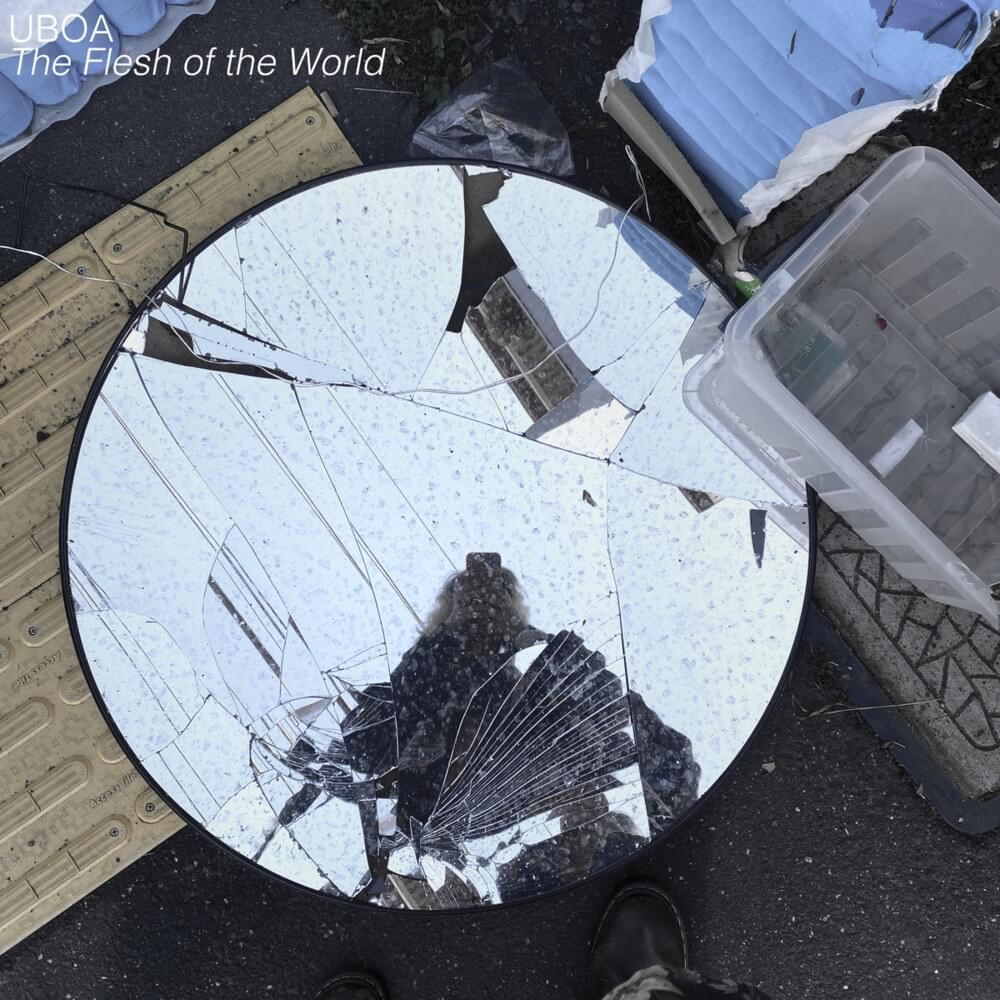
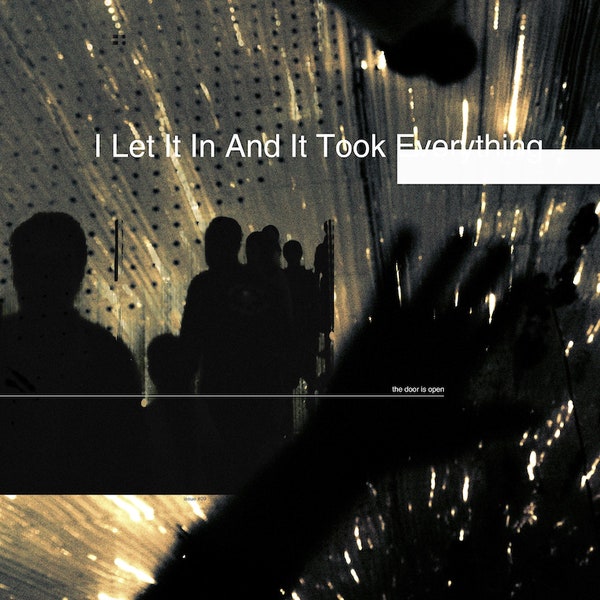
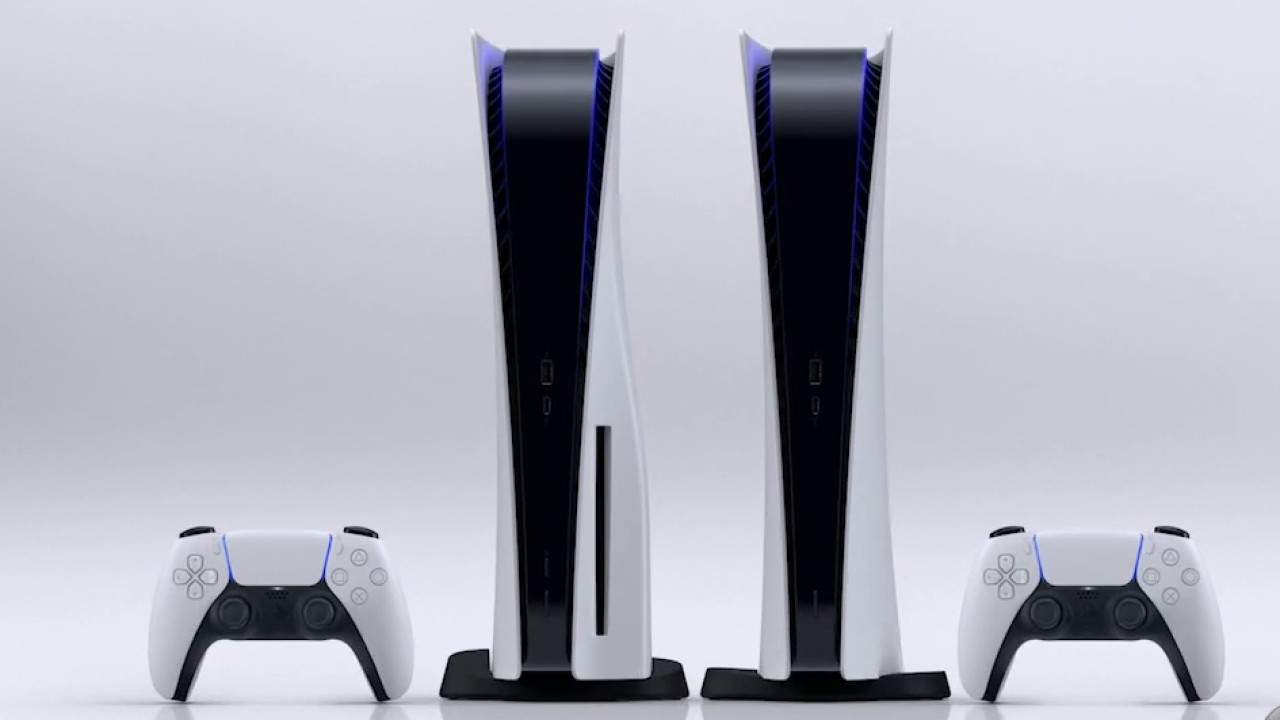
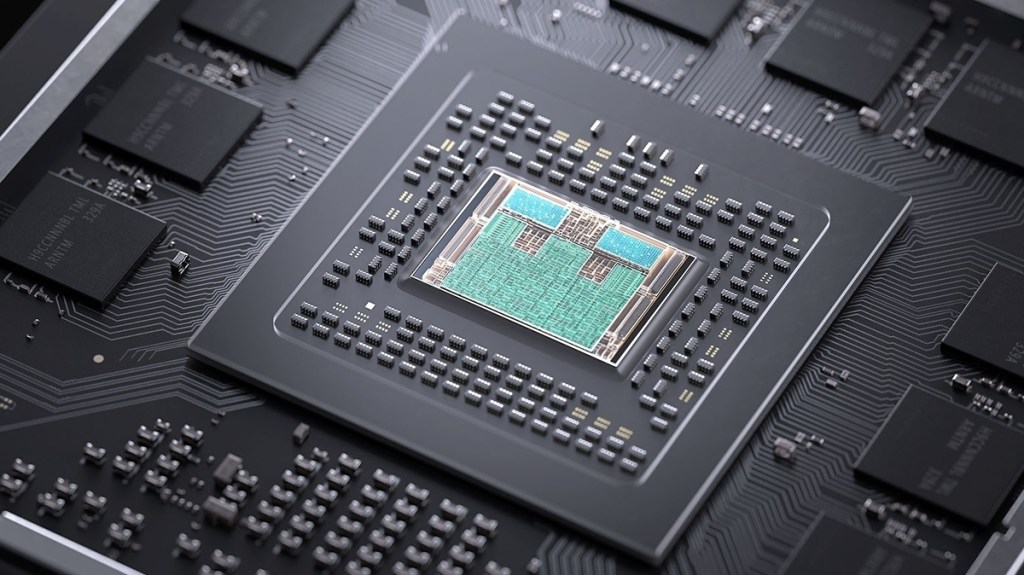

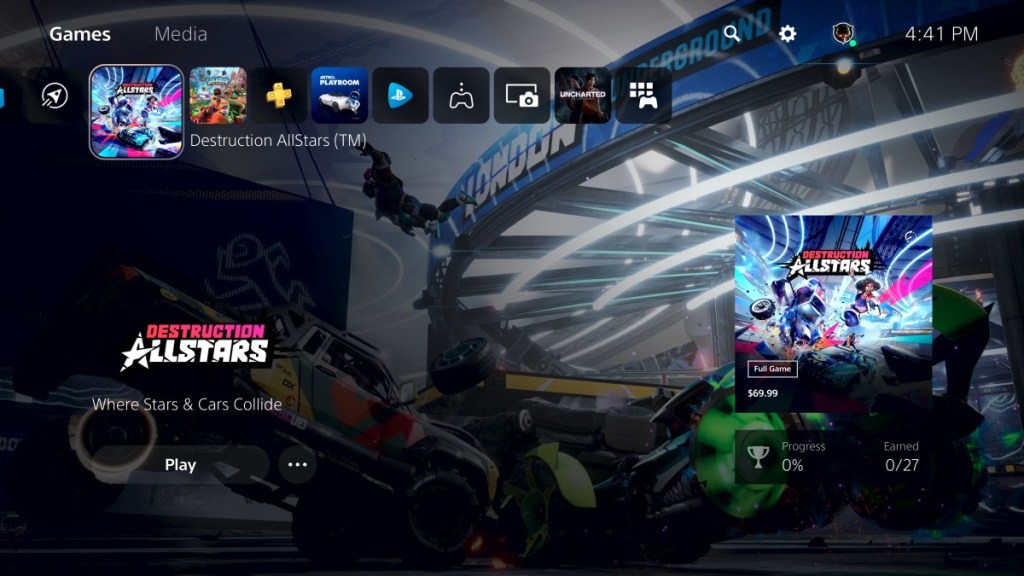
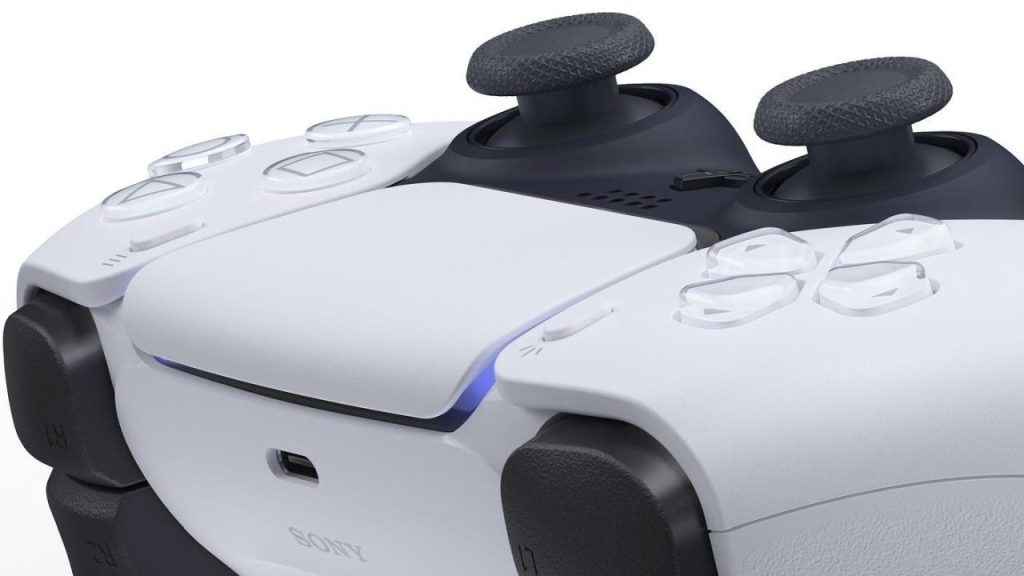
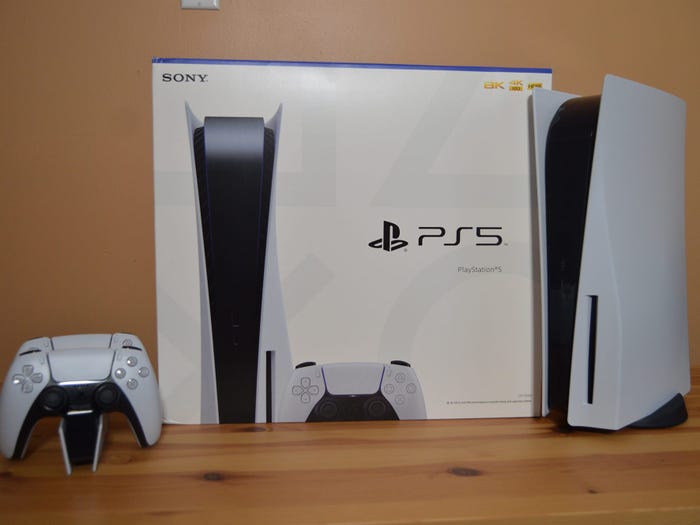

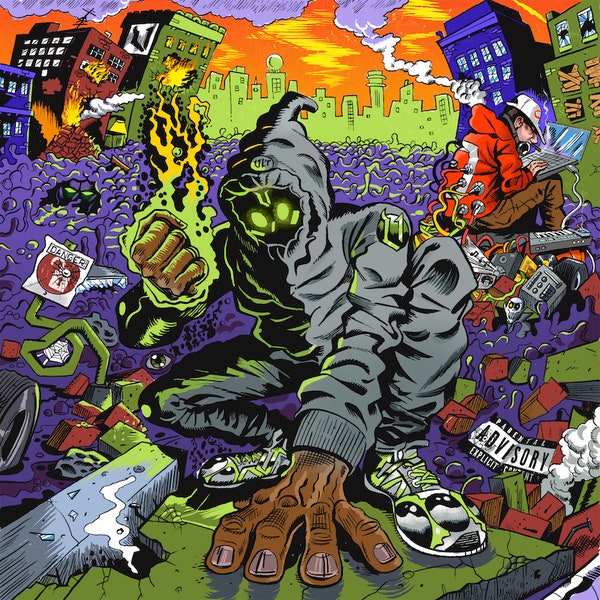


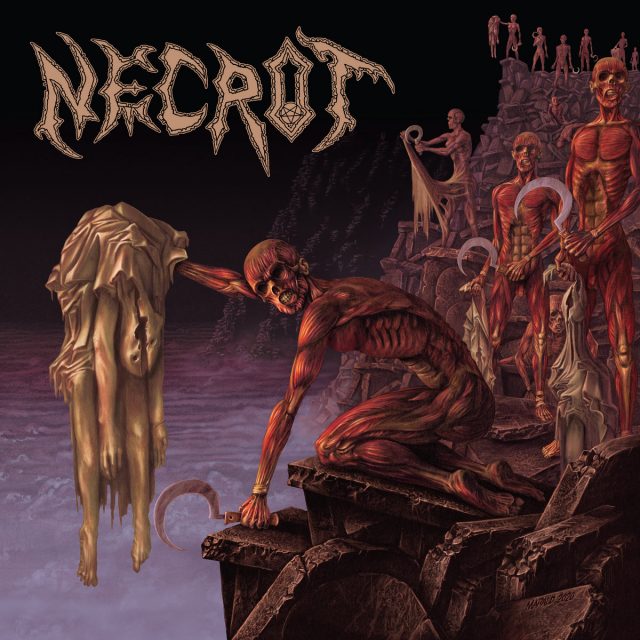
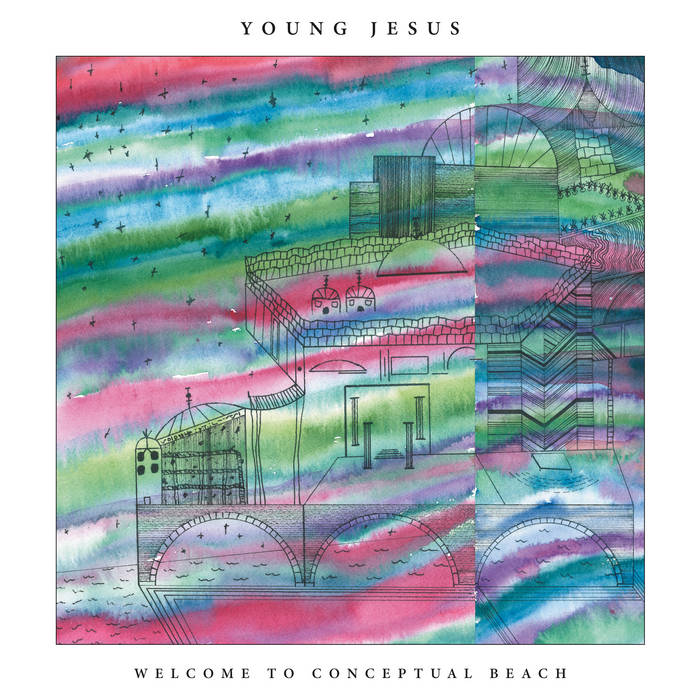

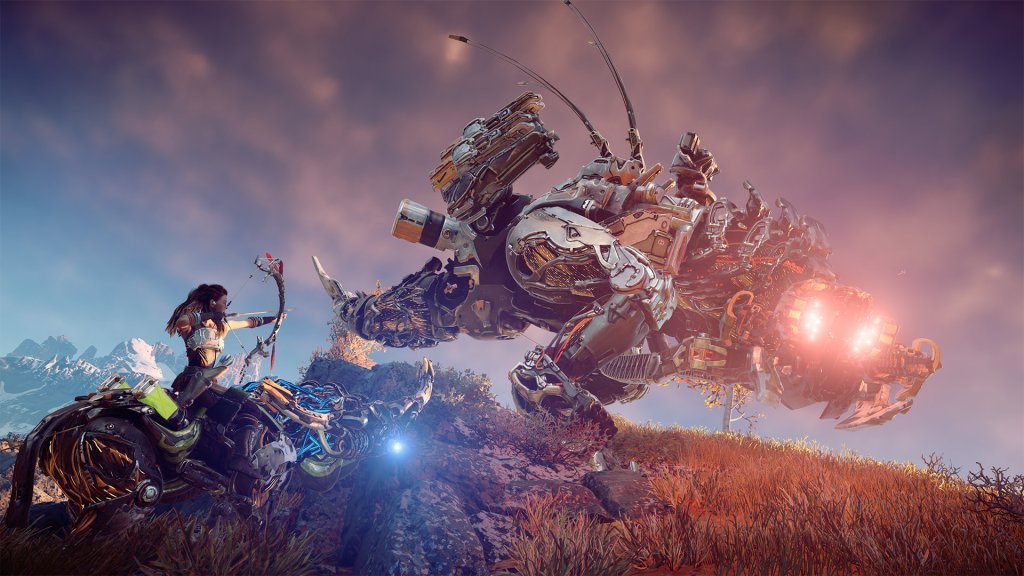
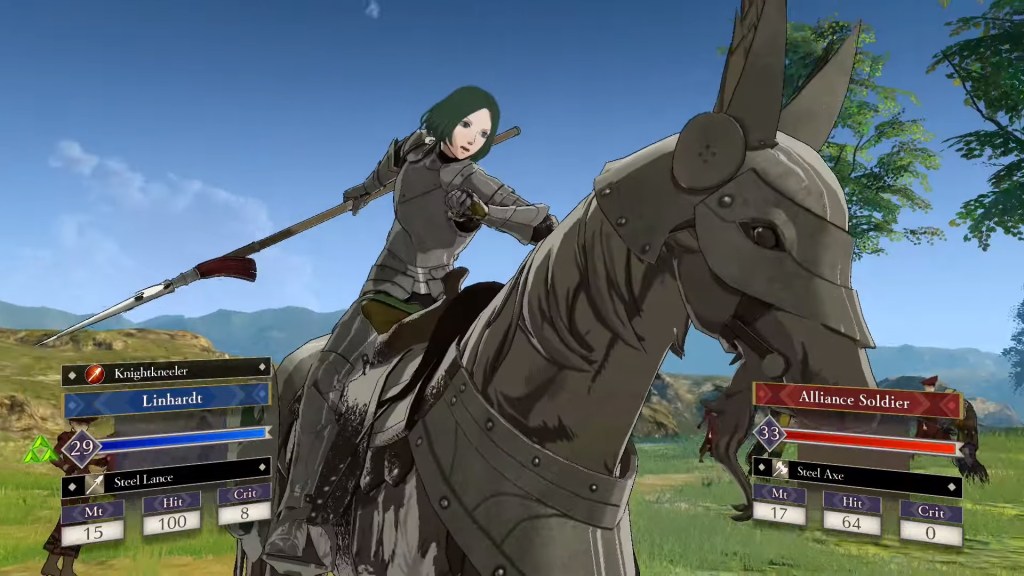
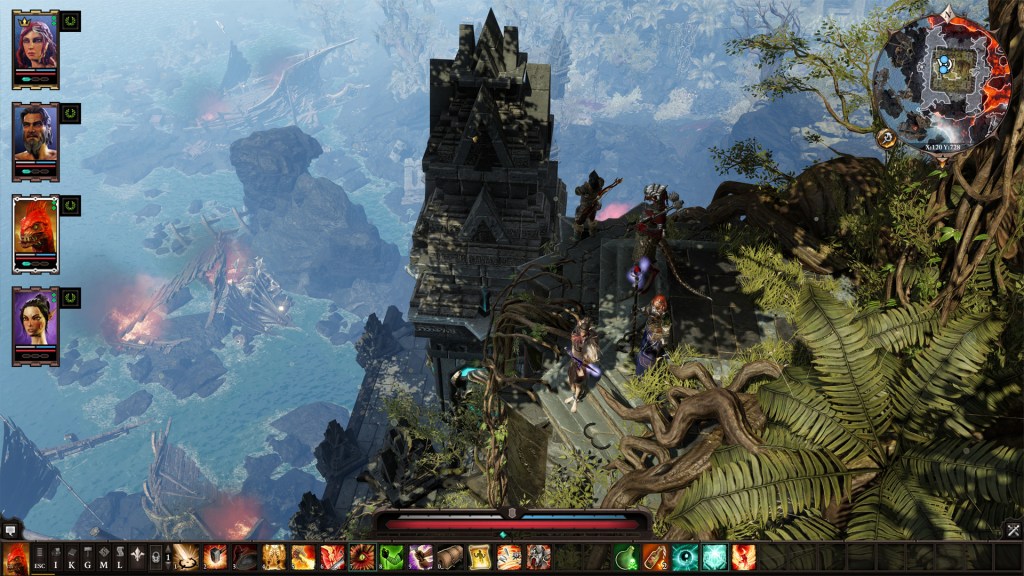
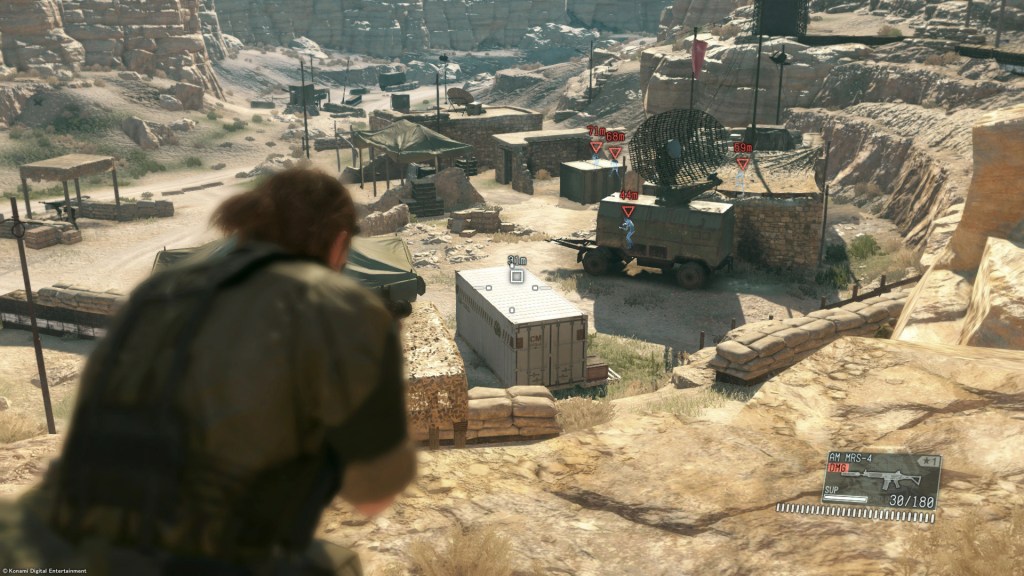
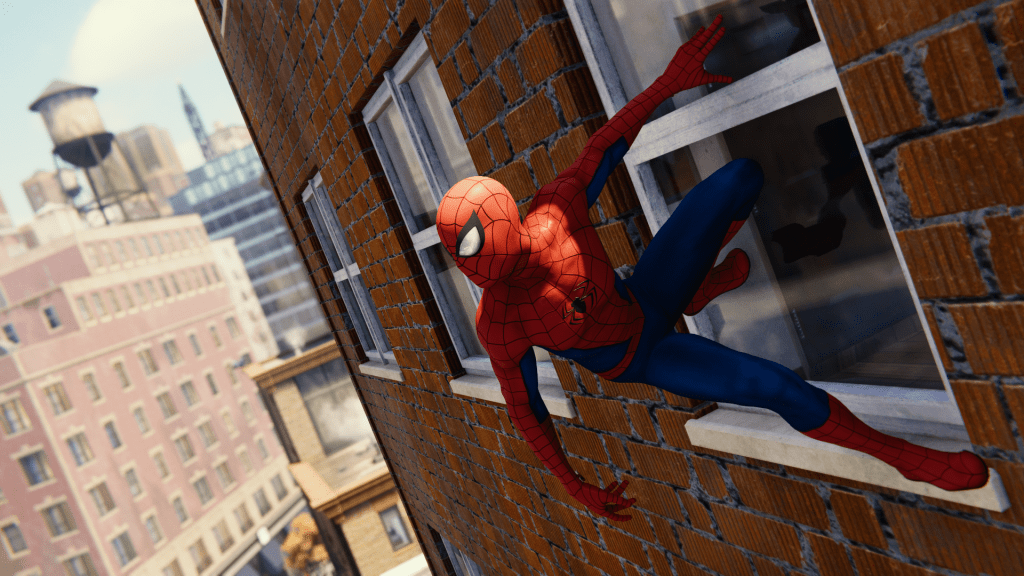
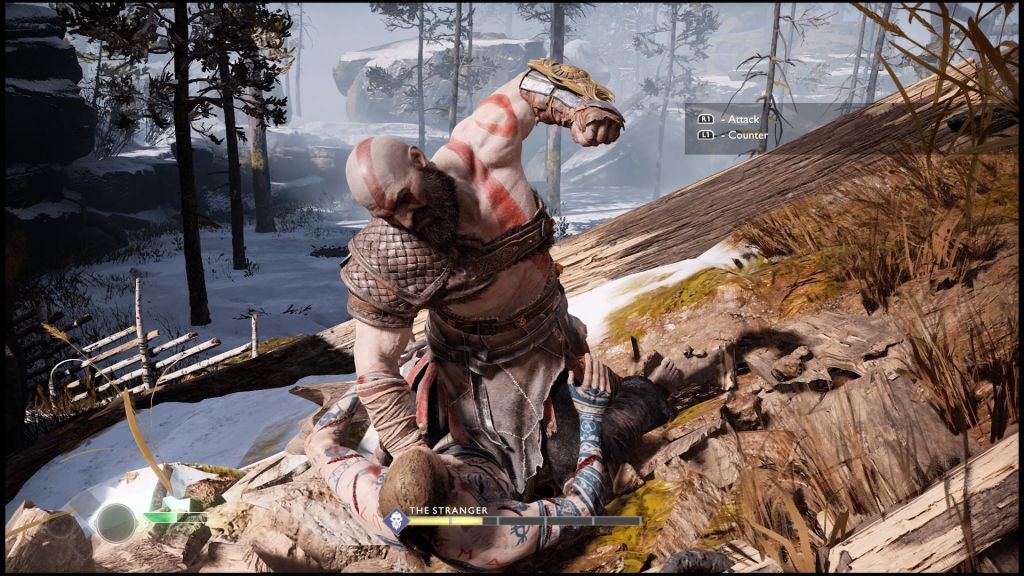

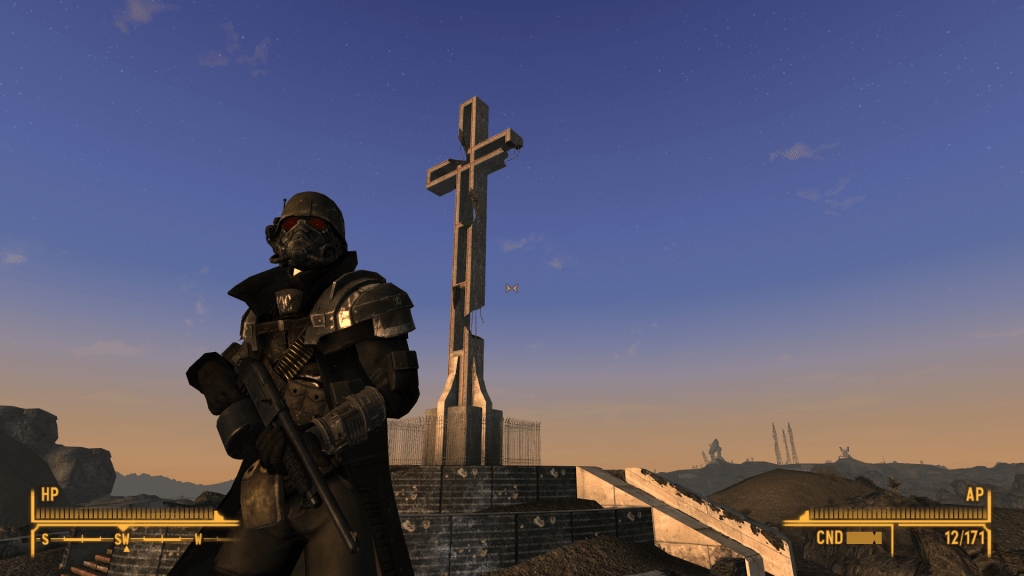
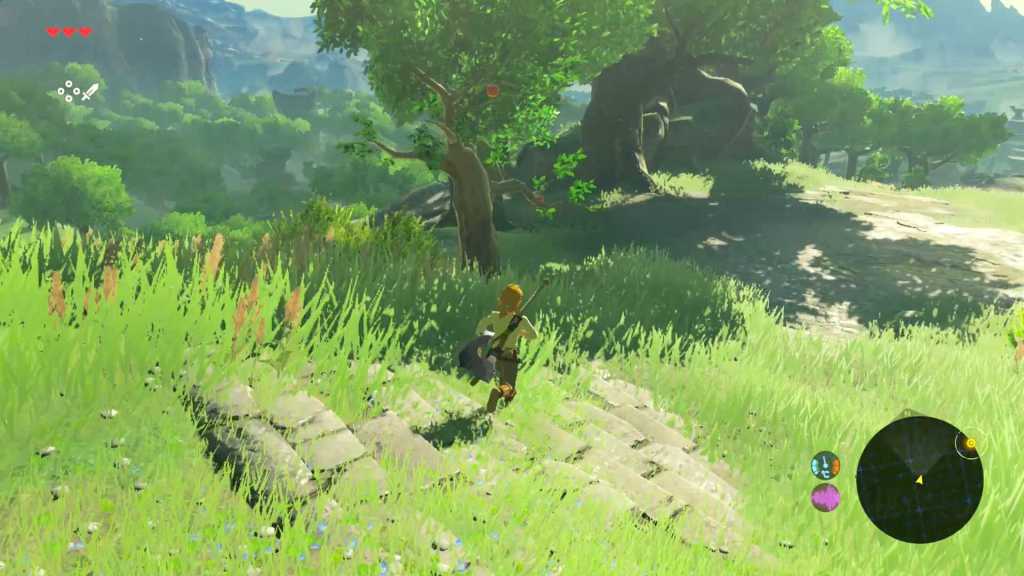
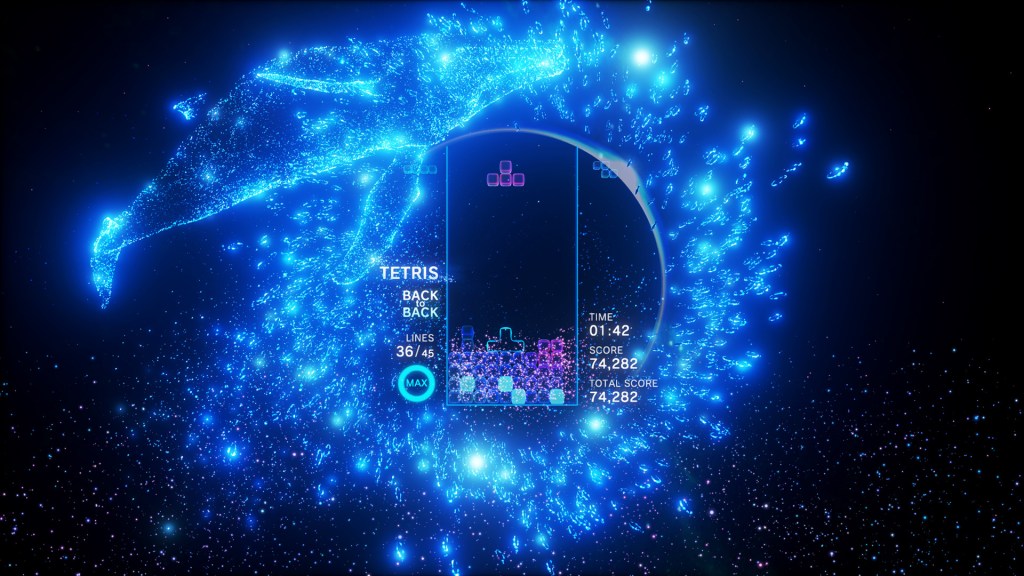

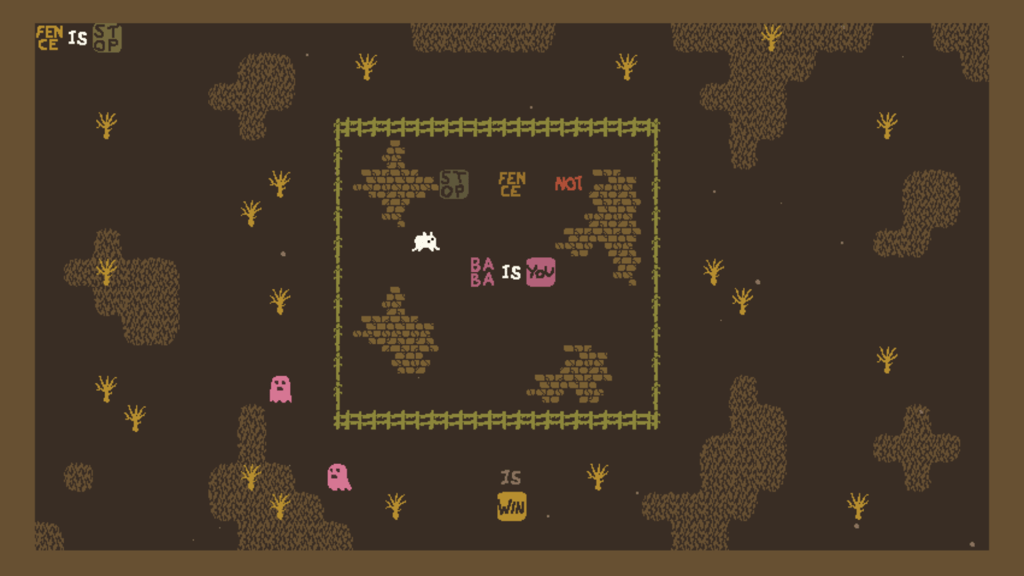
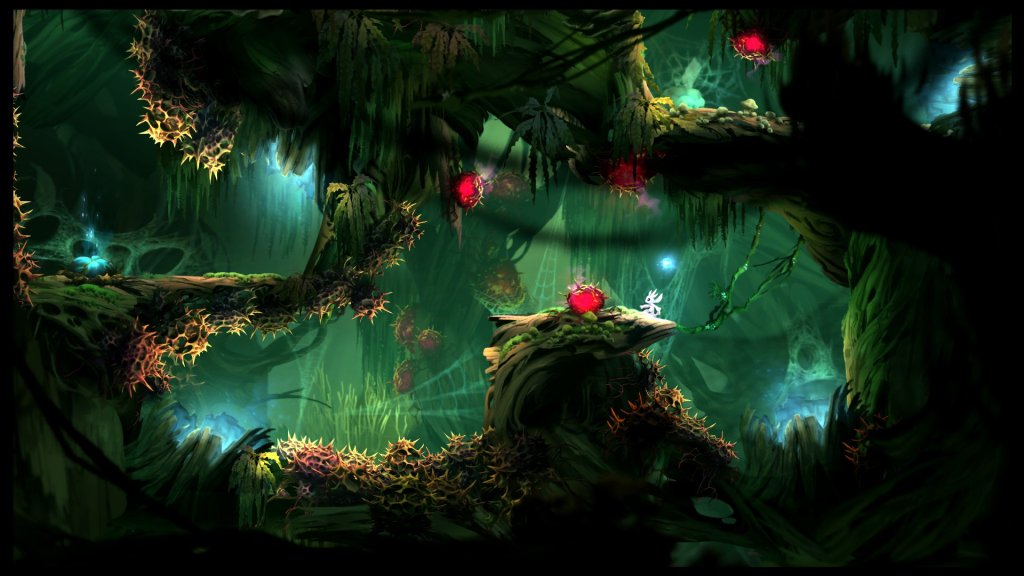
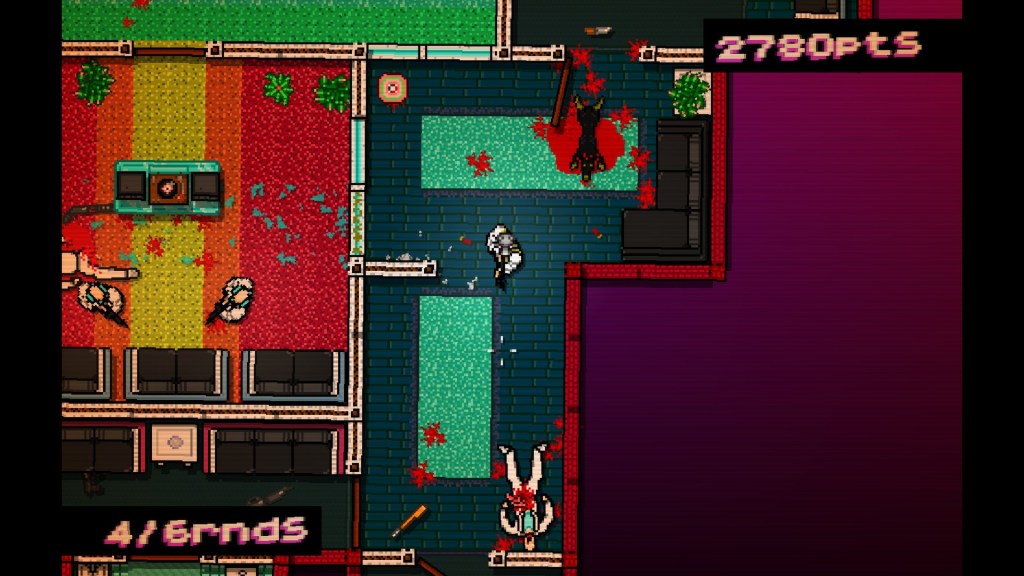

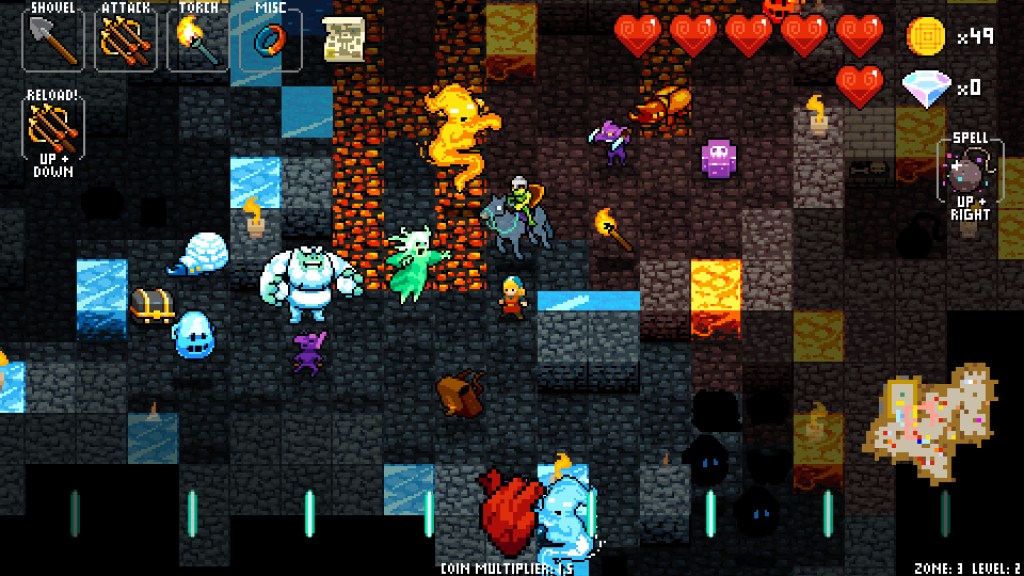
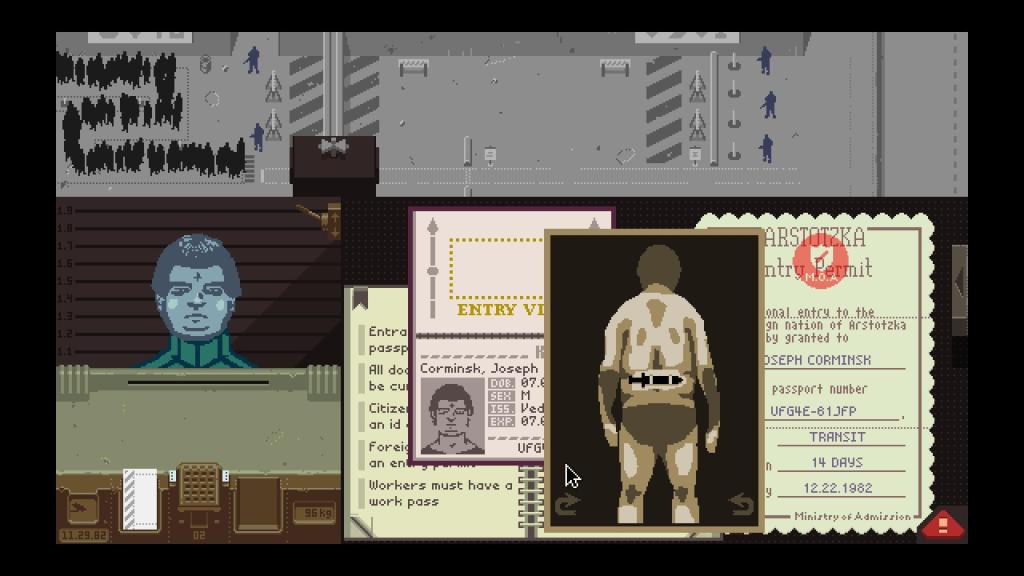
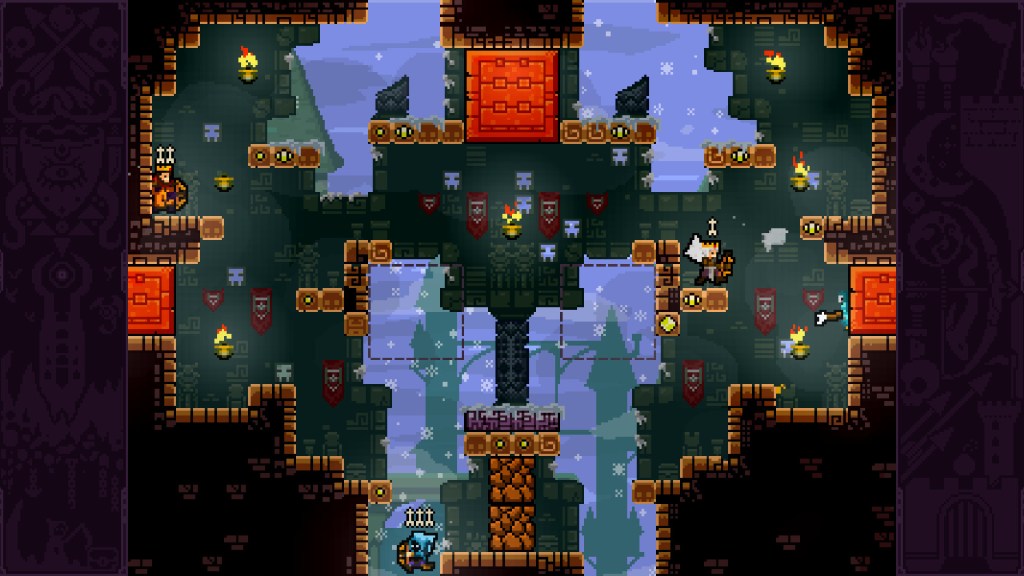
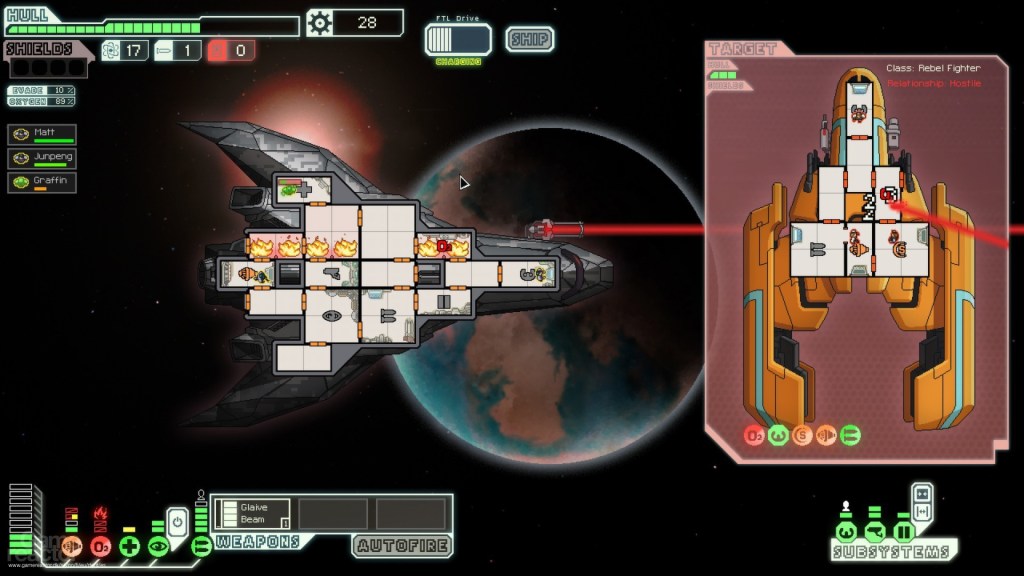
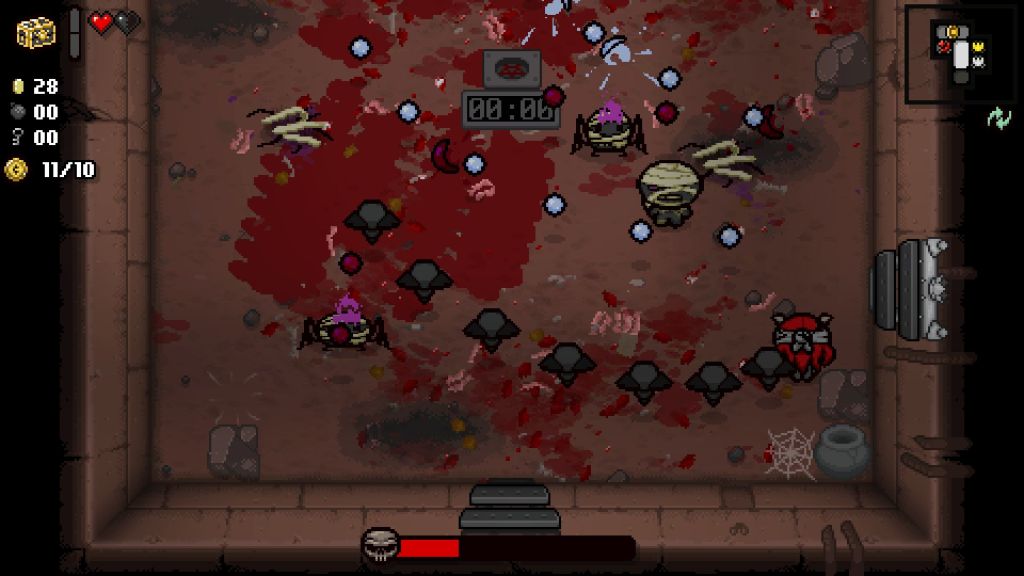
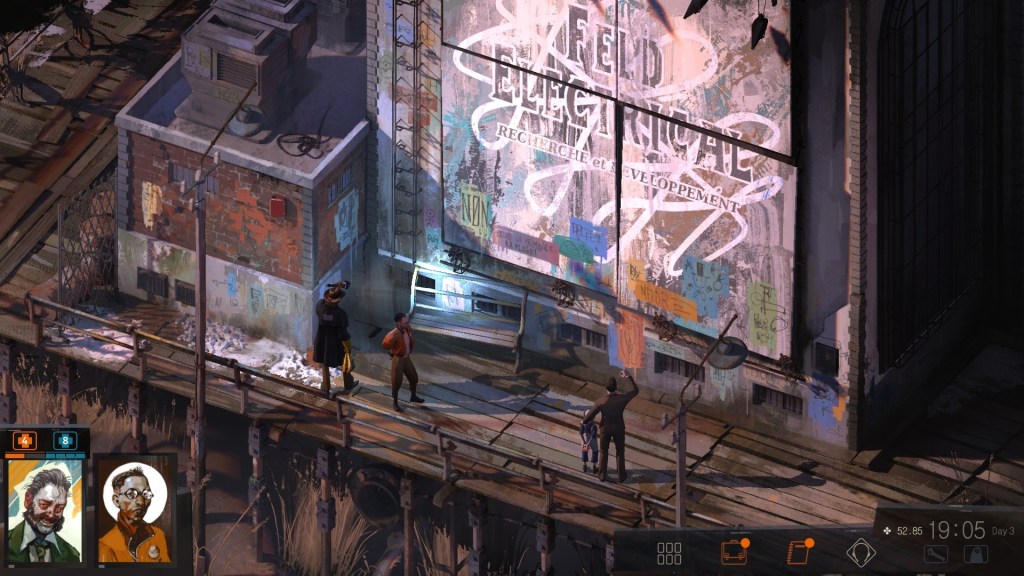
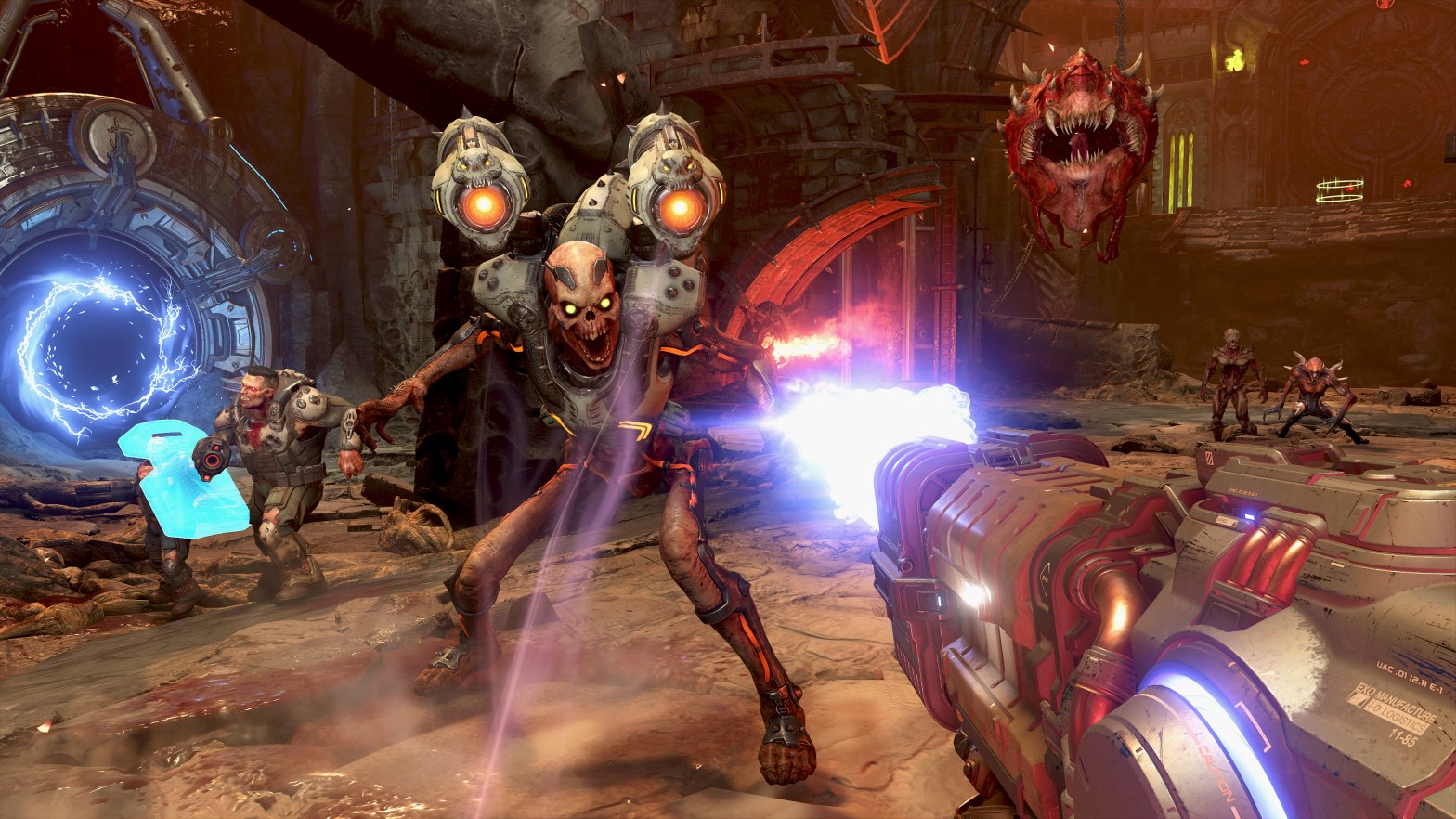

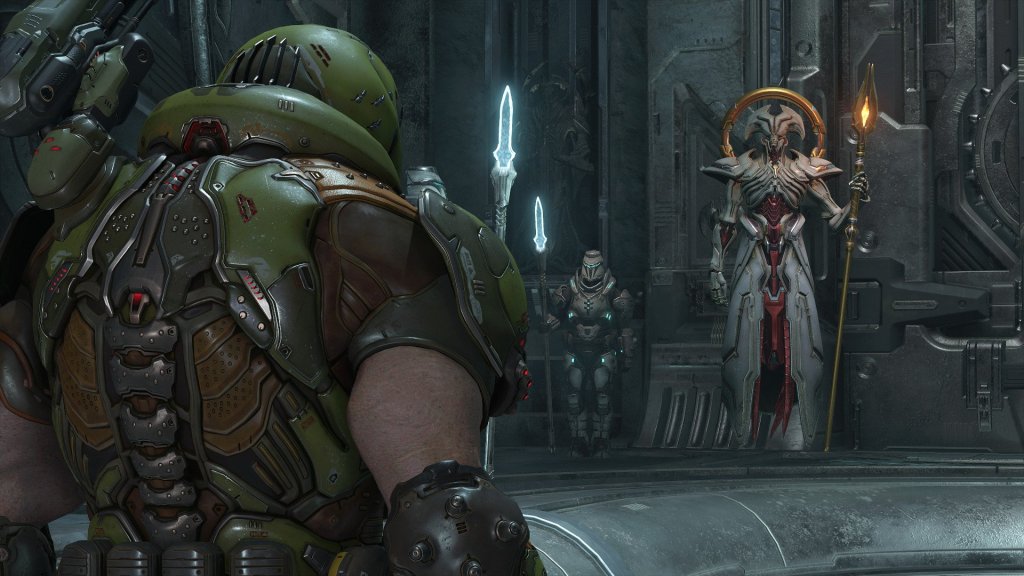
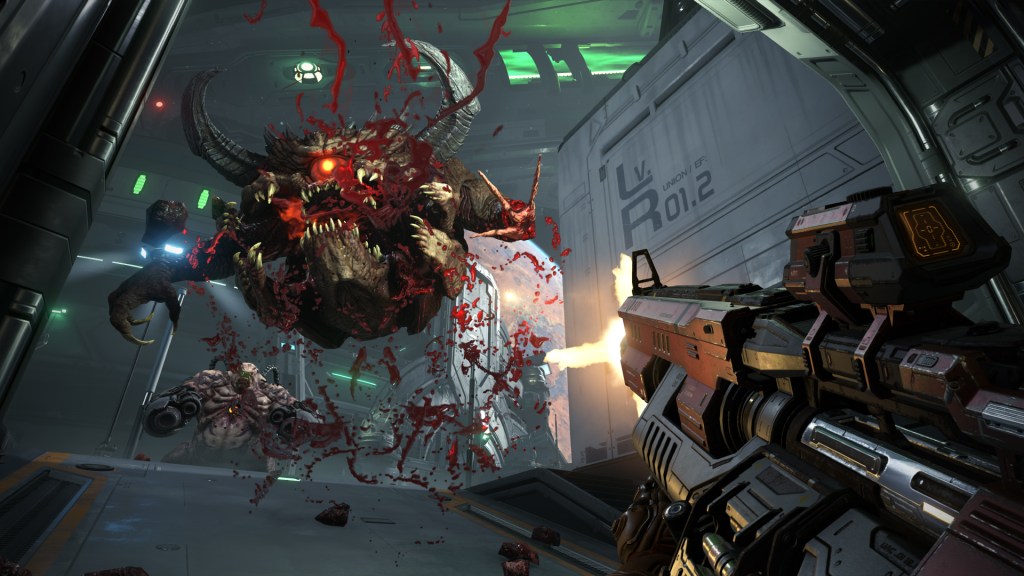
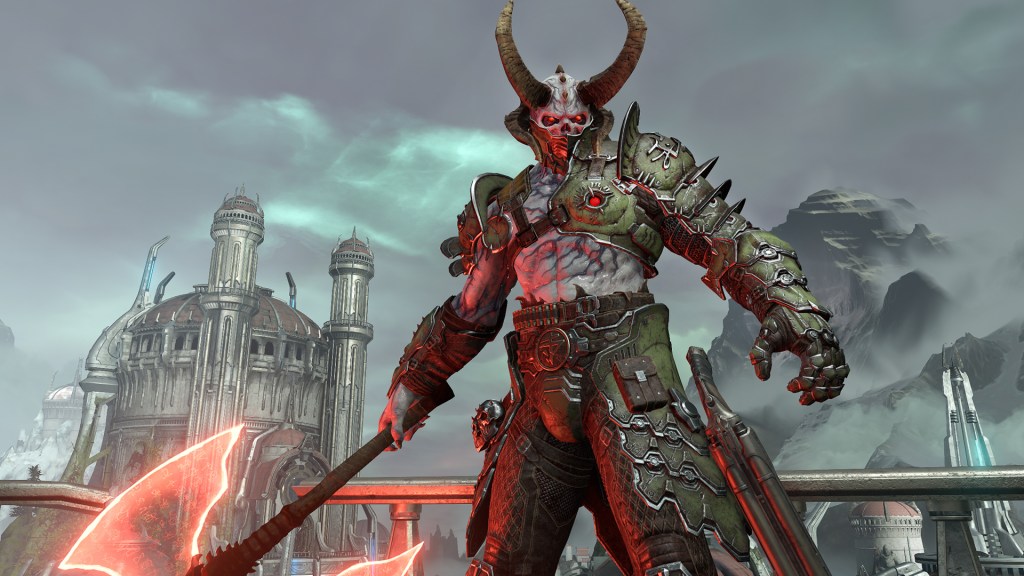
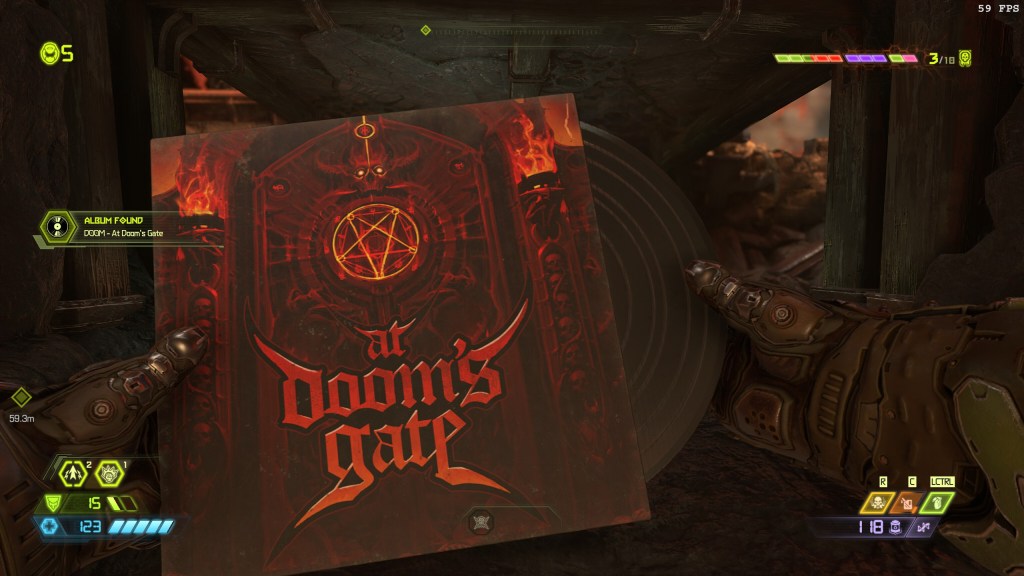
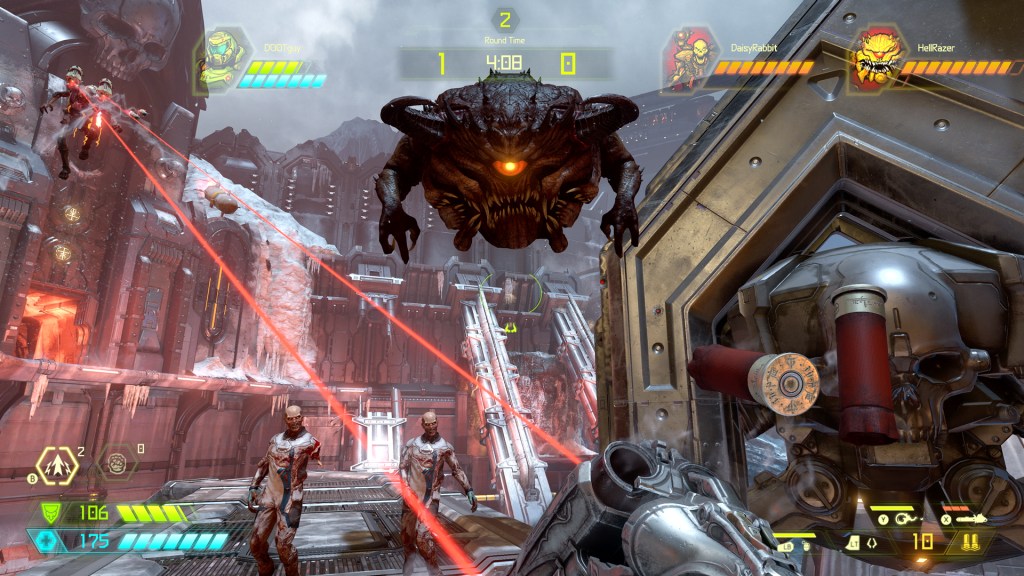
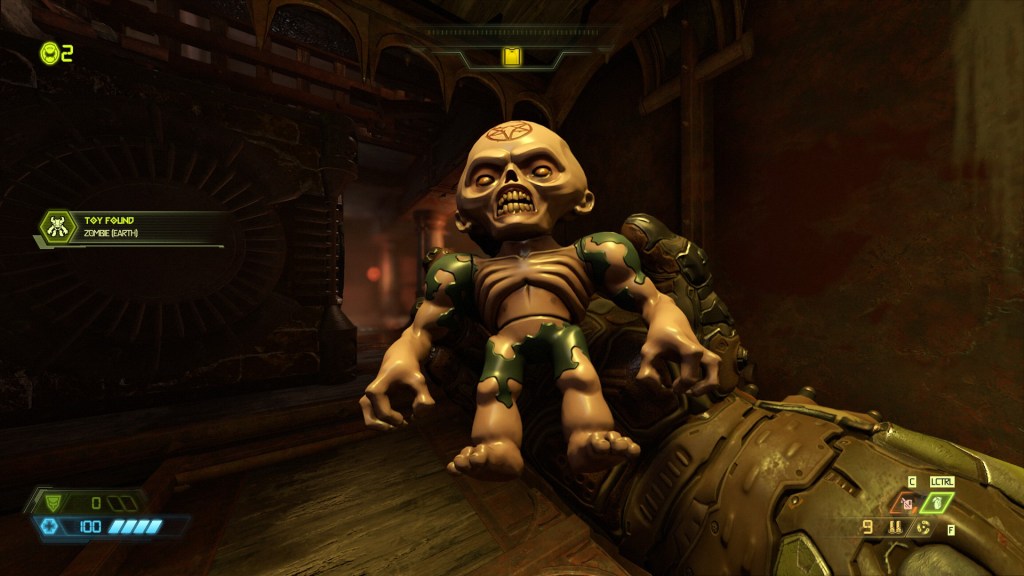







 Writing About Music and Games Sometimes